
Crawl Space Vapor Barrier Installation in Charleston, SC
A vapor barrier covers the ground so soil moisture stops entering the air. In South Carolina the code does not describe that material by thickness — it describes it by strength.
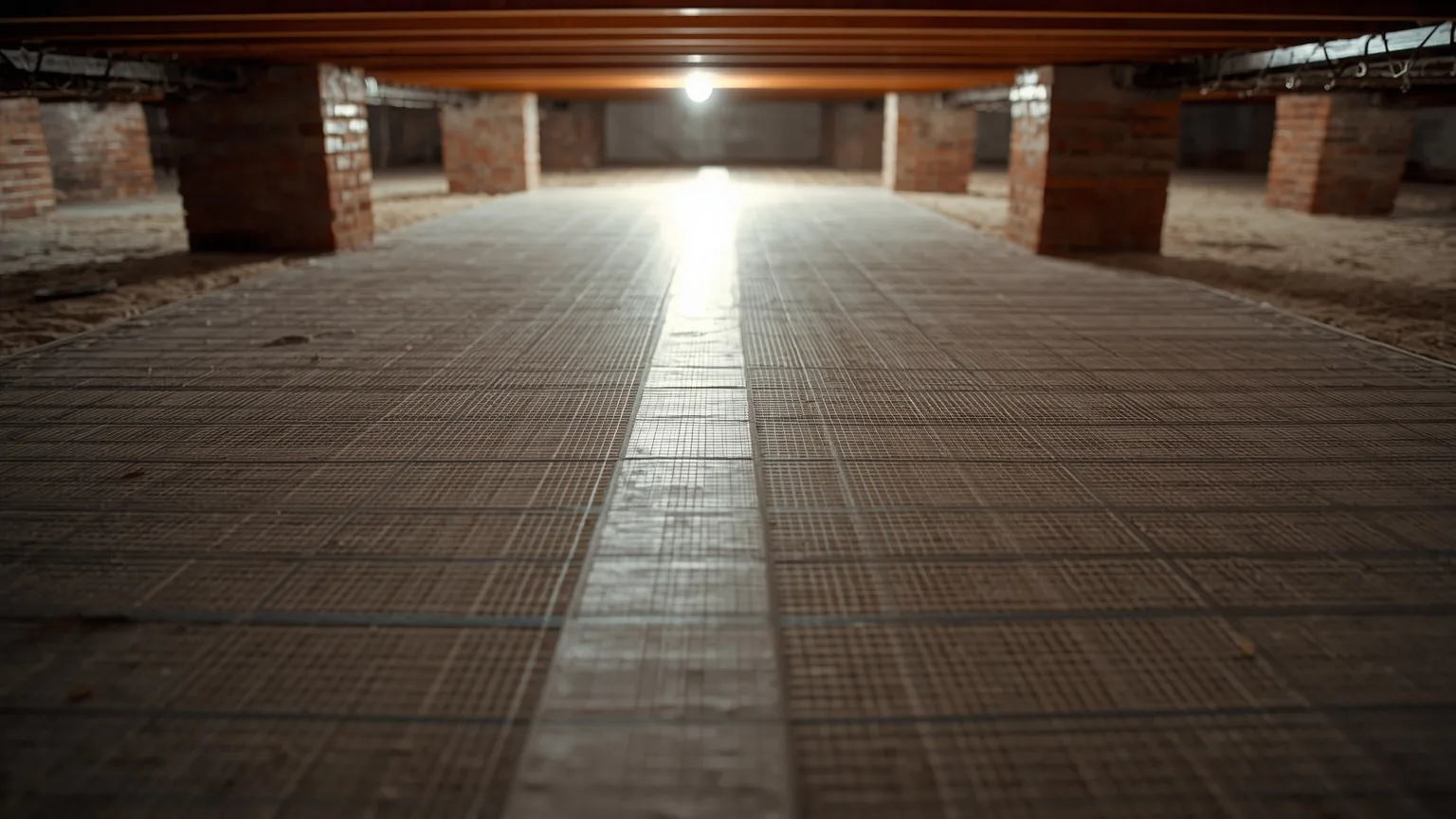
Who handles vapor barrier installation in Charleston, SC?
Charleston Crawl Space Solutions arranges vapor barrier installation across Charleston and nearby communities. A barrier is sheet material laid over exposed earth to stop ground moisture evaporating into the crawl space. For a sealed crawl space, South Carolina's code requires a product meeting ASTM E1745 Class A — a performance standard rather than a thickness, and the single most checkable line on a quote. Call (843) 890-8281 to arrange an evaluation.
What a barrier does, and what it does not
Exposed soil in a crawl space gives off moisture continuously. A barrier interrupts that at the source, and in a space whose problem is ground evaporation it can make a substantial difference for a fraction of the cost of a full system.
What it does not do is address humid outside air coming in through the vents, which in a Lowcountry summer is often the larger share of the moisture load. A barrier laid in a vented crawl space stops the ground contribution and leaves the air contribution untouched. That is why some homes improve dramatically after a barrier and others barely change — the two situations had different dominant sources.
Barrier, or encapsulation?
The distinction is worth being precise about, because the two get sold under overlapping language.
- A vapor barrier covers the ground. It may be loose-laid or partly sealed. Vents stay open. Nothing manages humidity actively.
- Encapsulation is a continuous sealed liner over the ground and up the walls, vents closed, and humidity deliberately controlled by an accepted method. It is a system, not a material.
- The practical test is whether the vents are closed and whether anything manages humidity afterward. If the answer to either is no, it is a barrier.
Where barriers actually fail
Failures cluster in predictable places, and the material itself is rarely the first thing to go wrong.
Seams overlapped but never sealed. Edges that stop short of the wall, leaving a strip of open soil around the perimeter. Nothing detailed around piers, columns and plumbing penetrations, so the barrier is continuous everywhere except the twenty places it is interrupted. And material chosen to hit a price, which tears the first time somebody crawls across it to service equipment.
That last one is what South Carolina's code is aimed at, and it is covered below. If a barrier is all your house needs, say so and specify it properly. If a sealed system is what it needs, the encapsulation page describes it.
The permit question is different for a barrier
Laying ground cover in an otherwise unchanged vented crawl space does not convert it to an unvented crawl space. It is when the vents are closed and a conditioning method is introduced that the space is being built under R408.3 and its requirements apply.
That distinction is worth raising with whoever is quoting. Ask directly whether the proposal leaves the crawl space vented or converts it, because the answer determines which requirements apply and what has to be inspected.
South Carolina specifies the liner by strength, not thickness
This is the most checkable thing on this site, and almost nobody quoting crawl space work in Charleston will volunteer it. The model International Residential Code asks for a "continuous Class I vapor retarder" — a permeance rating, which ordinary 6-mil polyethylene satisfies. South Carolina replaced that wording. Section R408.3 of the South Carolina Residential Code requires a continuous vapor retarder meeting ASTM E1745 Class A.
The distinction is not cosmetic. ASTM E1745 defines three performance classes, A, B and C. By the South Carolina Building Codes Council's own published explanation, the permeance requirement is the same for all three at under 0.1 perms — what changes between the classes is tensile strength and puncture resistance. South Carolina asks for the strongest of the three.
So the useful question on a Charleston quote is not "how many mils is your liner" but "what ASTM E1745 class is it, and can you show me the product data sheet". A contractor doing this properly will have that answer immediately. It is also a fair explanation for why two quotes differ: a liner built to Class A costs more than sheeting bought by the roll.
Vapor Barrier Installation questions
What thickness vapor barrier does South Carolina require?
The code does not answer in thickness. Section R408.3 of the South Carolina Residential Code requires a continuous vapor retarder meeting ASTM E1745 Class A for an unvented crawl space, which is a performance standard covering strength and puncture resistance as well as permeance. Asking a contractor for the ASTM class is more useful than asking for mils.
Is 6-mil poly good enough here?
For a sealed crawl space, ordinary 6-mil construction polyethylene is not what the code names. R408.3 calls for a product meeting ASTM E1745 Class A, and that standard sets tensile strength and puncture resistance requirements that generic sheeting is not manufactured or tested to meet.
Is a vapor barrier the same as encapsulation?
No. A barrier covers the ground. Encapsulation is a continuous sealed liner over ground and walls, with vents closed and humidity actively controlled. The quick test is whether the vents are closed and whether anything manages humidity afterward. If not, it is a barrier.
Will a vapor barrier alone fix my humidity?
Sometimes, where ground evaporation was the dominant source. In a vented crawl space in this climate, humid outside air is often the bigger contributor, and a barrier does nothing about that. Which source dominates is what readings establish.
Can I install a vapor barrier myself?
Physically it is possible in an accessible space. Doing it well means detailing every pier, column and penetration and getting full coverage to the walls, which is where most homeowner installations fall short. Note also that South Carolina regulates paid specialty work above a low dollar threshold, so hiring someone to do it is licensed work.
Related crawl space services
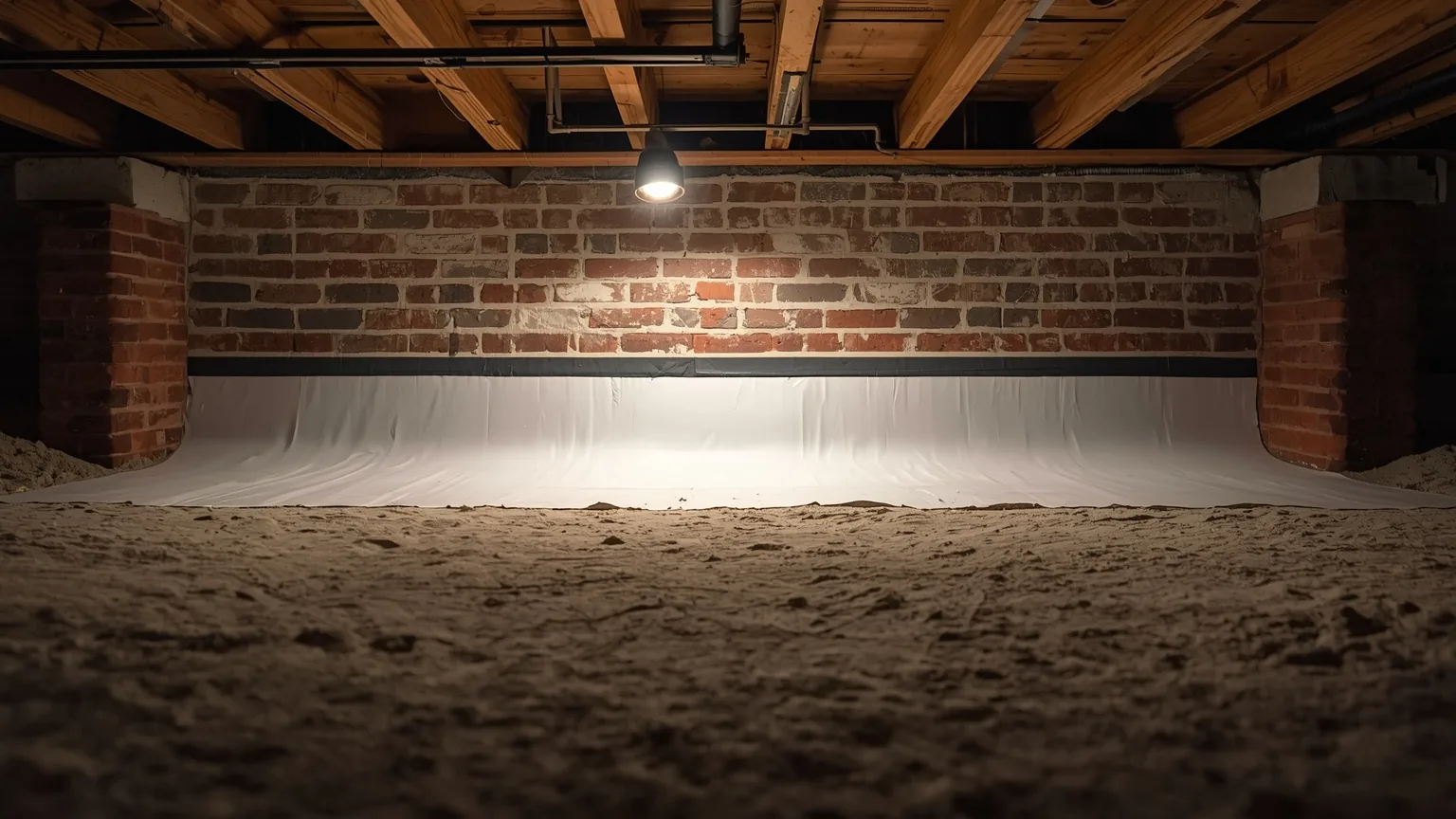
Crawl Space Encapsulation
The full sealed system — liner, closed vents and managed humidity.
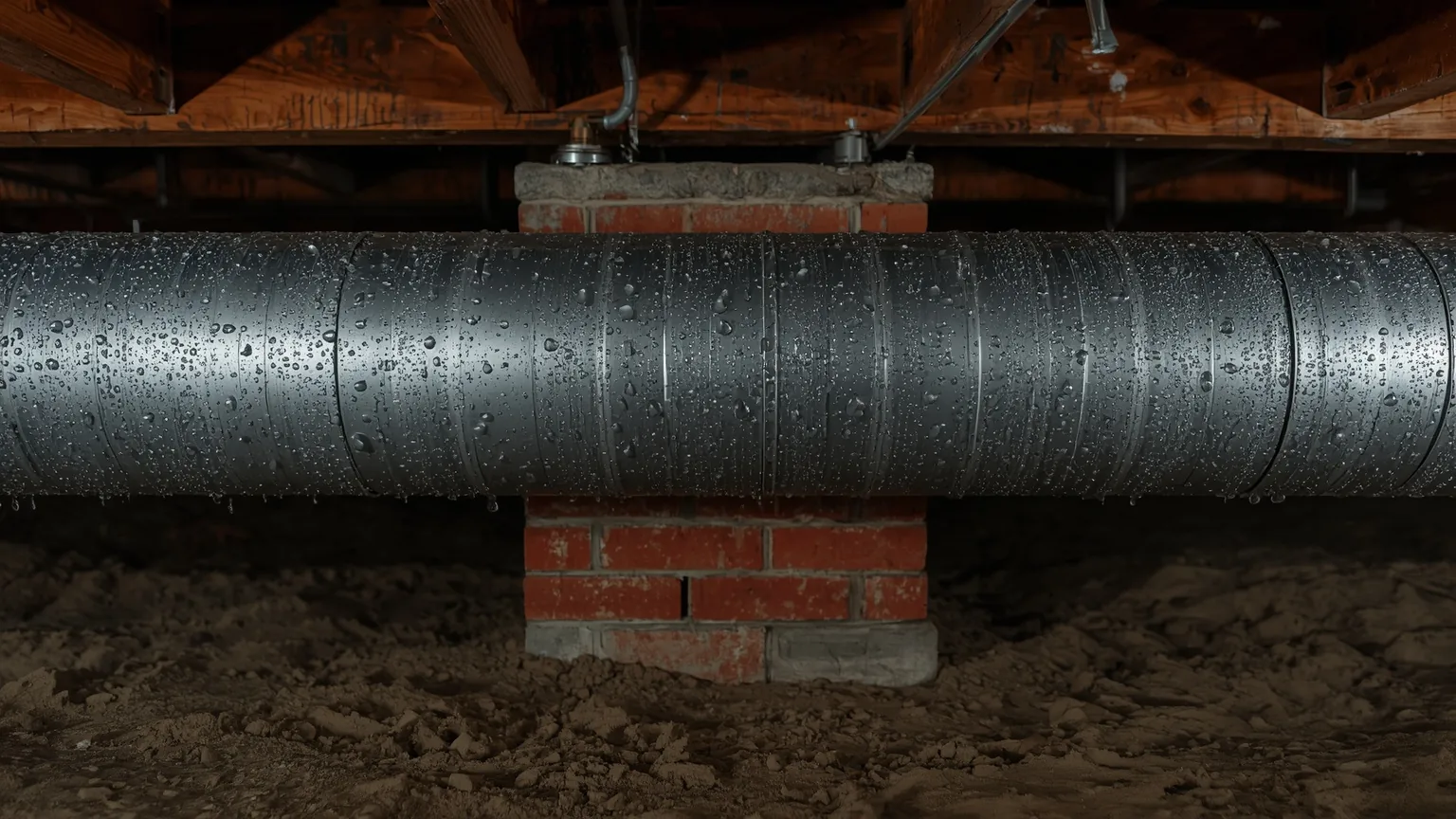
Crawl Space Moisture Control
Identifying the source before choosing the remedy.
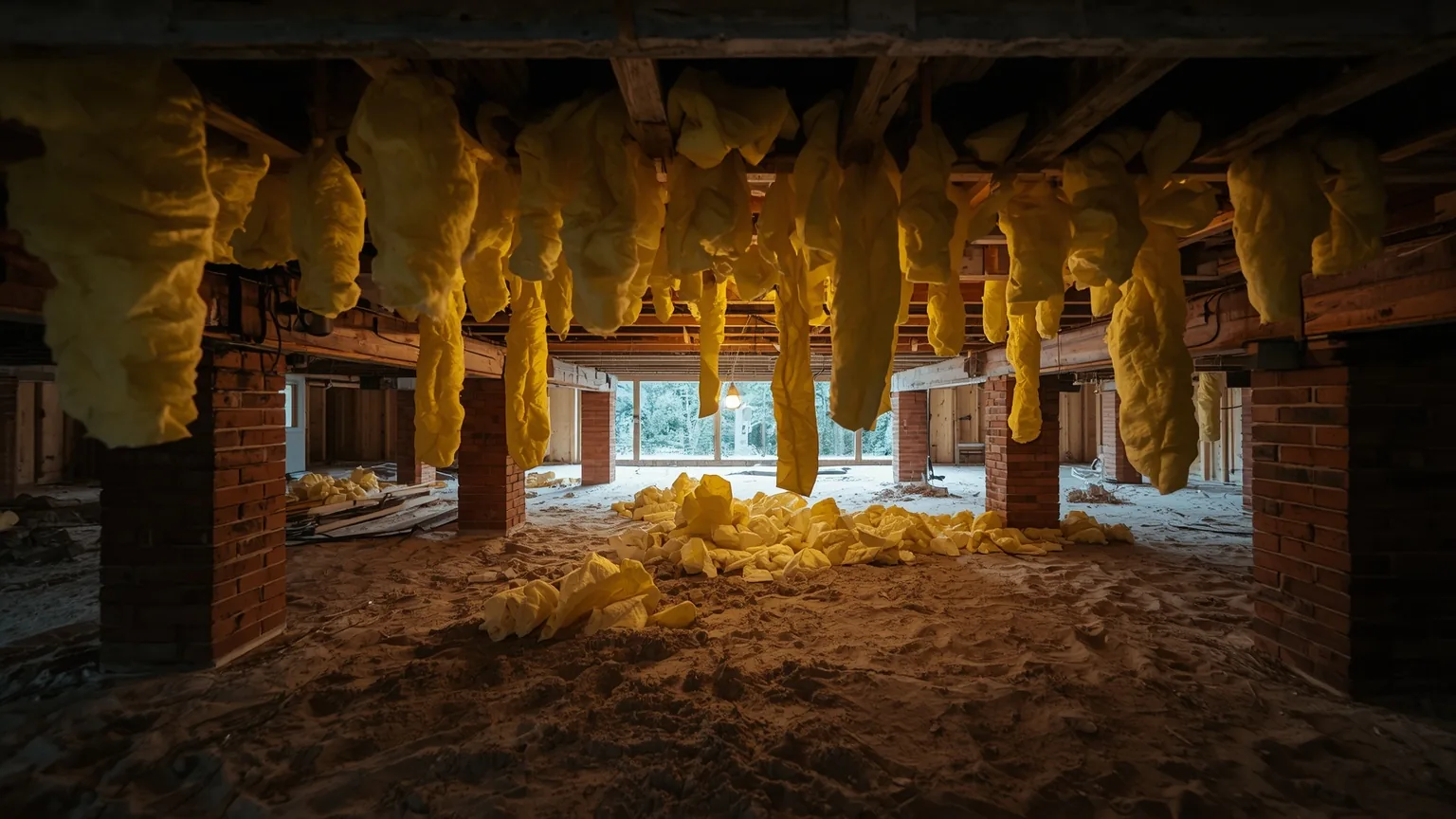
Crawl Space Insulation
Fallen batts, and whether insulation belongs on the floor at all.
Crawl Space Encapsulation Cost
The variables behind the spread — and why one number cannot be honest.
Find out what is actually causing it.
An inspection underneath, readings taken on site, and a written scope ahead of any figure.