
Crawl Space Repair in Charleston, SC
Repair is what happens when moisture has already cost you something structural. The order matters: find the water, stop the water, then fix what the water damaged.
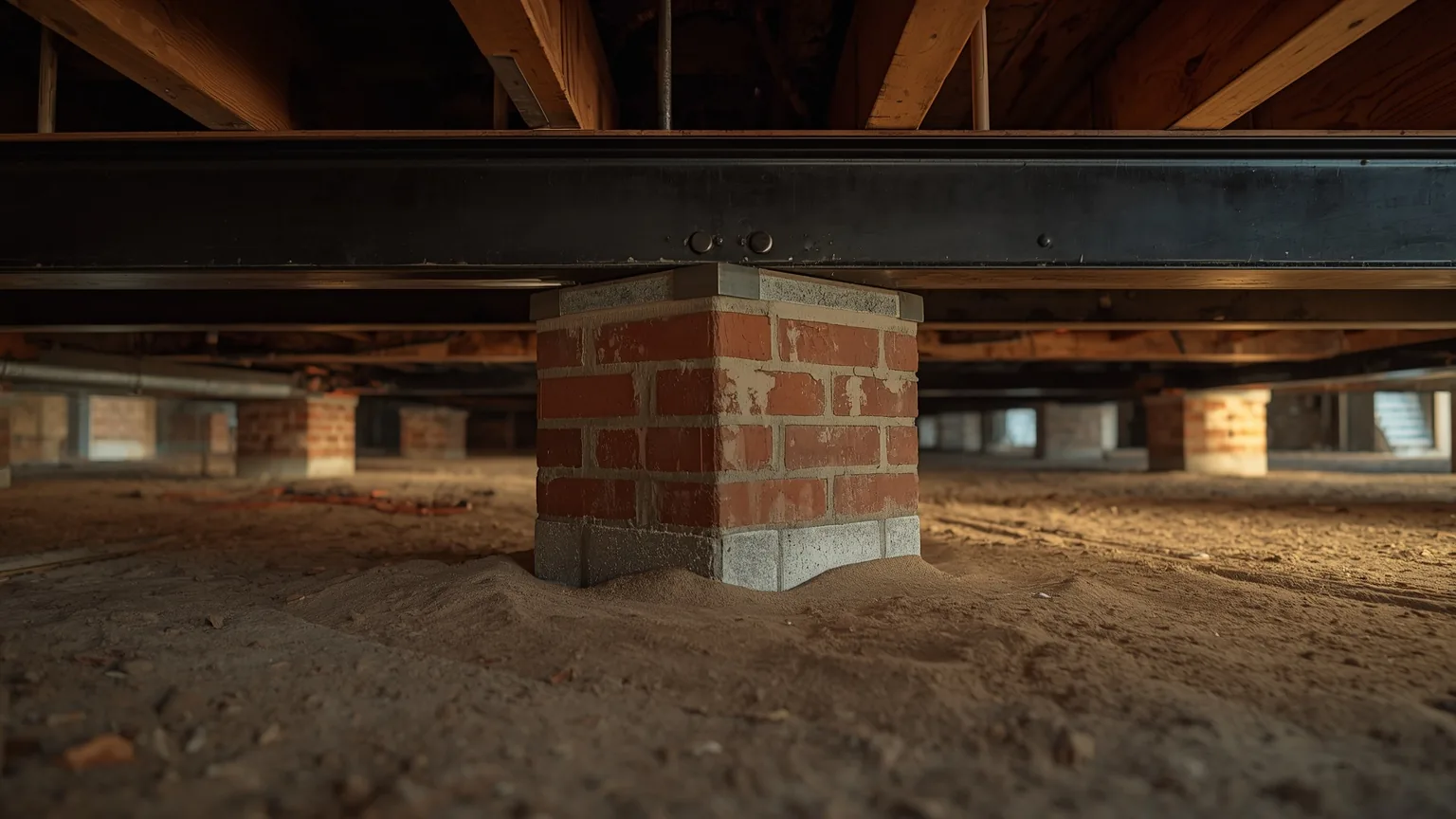
Who handles crawl space repair in Charleston, SC?
Charleston Crawl Space Solutions arranges crawl space repair across the Charleston area — sagging floors, deteriorated joists and girders, failed supports, damaged barriers and ruined insulation. Repairs are scoped after the moisture source is identified, because framing repaired above an unresolved water problem is framing that will need repairing again. Call (843) 890-8281 to arrange an evaluation.
What usually needs repairing
Crawl space repair is a category rather than a single job. What it involves depends entirely on what the moisture reached and how long it had.
- Floors that sag, bounce or slope. Usually the visible end of something below — a girder that has deflected, a support that has settled, or joists that have lost strength.
- Deteriorated joists and girders. Sustained moisture lets fungal decay establish in framing, which softens wood and reduces what it can carry.
- Failed or undersized supports. Posts on inadequate footings, temporary supports that became permanent, or piers that have moved.
- Damaged barriers. Torn, displaced or never-sealed material that has stopped doing anything useful.
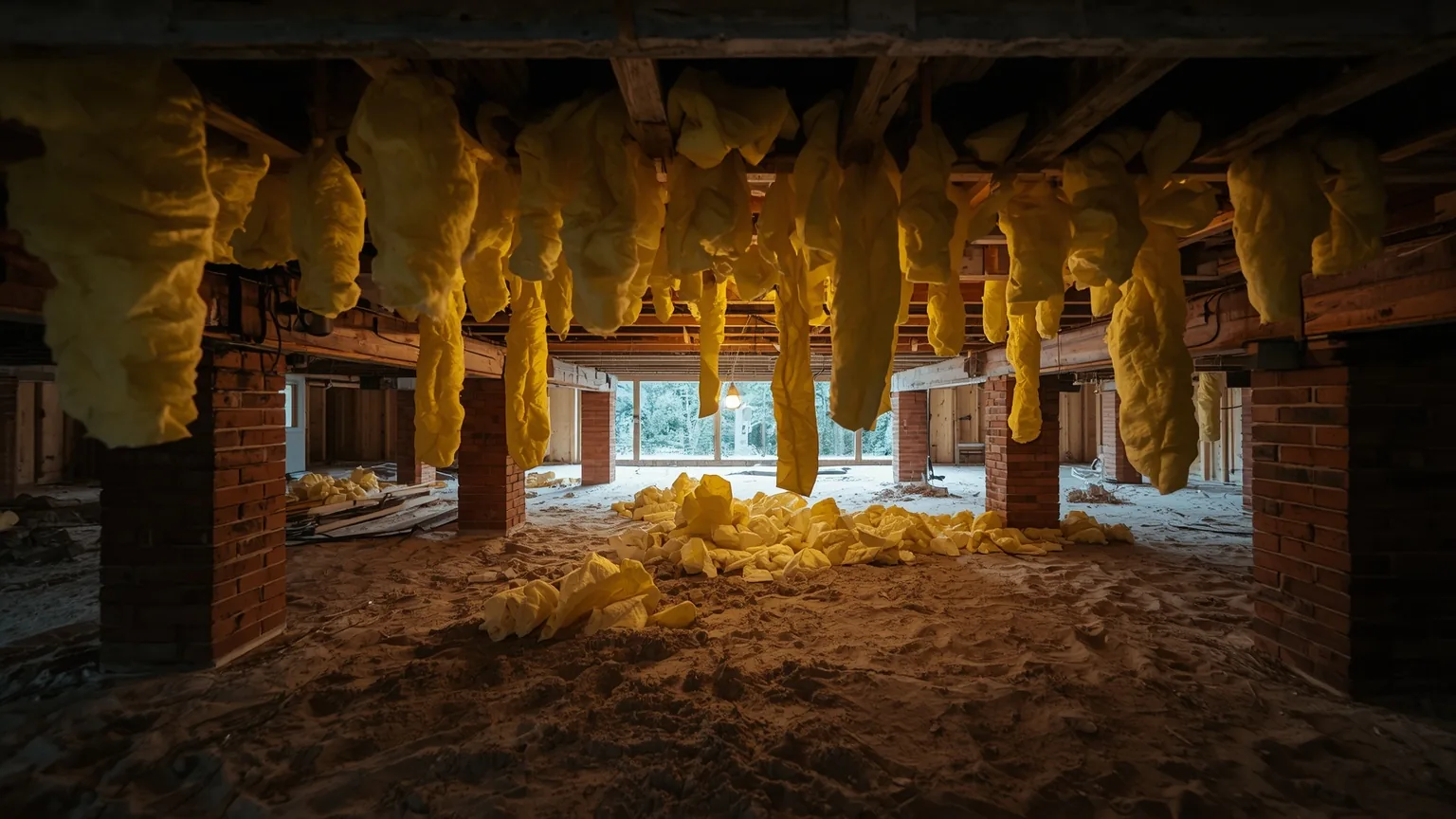
- Wet, collapsed insulation. Batts that took on moisture and fell away from the subfloor, which stop insulating and hold damp against the wood.
Old settlement and active movement are not the same finding
A house that settled decades ago and a house moving now present almost identically to whoever is standing on the floor, and they justify completely different spending. Long-finished settlement — dry framing, no new cracking, a slope that predates everyone who remembers it — is usually a property of the building. Levelling it is expensive, disruptive to finishes that were sound, and frequently unnecessary.
Movement that is still under way announces itself differently: elevated moisture readings in the framing, fungal growth with fresh margins rather than old staining, a post or pier that has left its bearing, cracking that has changed since it was last looked at. That is what justifies structural work, and an inspection that cannot separate the two is not worth acting on.
Why the sequence is not negotiable
Wood decay needs moisture. Framing that decayed did so because something kept it wet, and that something is still there until it is found and corrected. Replacing a joist without changing the conditions produces a new joist in the same environment that ruined the last one.
So a defensible repair scope starts with the diagnosis: where is the moisture coming from, is it liquid water or vapor, and what is the route in. That determines whether the fix involves drainage, waterproofing, moisture control, or some combination. The carpentry is the last stage, not the first.
What affects the cost
The dominant variable is how much of the structure is involved and how deep the damage runs. Reinforcing a sound member alongside a compromised one is straightforward; taking a girder out and replacing it means carrying the load on temporary support while the work happens, and that shifts the job into a different bracket entirely.
Whether the water has been dealt with matters just as much. Structural work priced without resolving the source is priced to be repeated, so a proposal that separates the two — and says which it has included — is easier to compare than one quoting a single figure for both.
Where an engineer comes in
Some of this is ordinary remedial carpentry. Some of it is not, and being straight about the line matters more than sounding capable.
Sistering a joist, replacing a section of rim board or resetting a post on a proper footing is routine work for a competent contractor. Where the framing carries more than it was designed to, where a girder has deflected significantly, where multiple bays are affected, or where the foundation itself has moved, the right answer is a structural engineer specifying the repair before anyone builds anything.
A contractor proposing a structural solution without any engineering input on a job of that size is guessing at your expense. Equally, an engineer's report is not needed for every soft joist. A proper inspection is what tells you which situation you have.
What an inspection should produce
Someone has to physically get under the house. Moisture readings taken at several points and written down. Photographs of what was found. A description of which members are affected and how far the damage extends, because the boundary between sound and unsound wood determines the scope.
You should end up with a written scope that separates the moisture work from the structural work, puts them in order, and states what is excluded. If the report is a price and a promise, ask for the readings.
In older parts of the city the framing under a house can be genuinely old and was not built to any modern span table. That is a reason for an inspection rather than an assumption, in either direction — old framing is not automatically failing, and it is not automatically fine.
It is the number of wet days, not the big storm
Charleston averages 74.4 days a year with a tenth of an inch of rain or more, on the 1991-2020 normals for Charleston International Airport. That is roughly one day in five.
Homeowners tend to associate crawl space damage with a named storm, and that is usually the wrong model. Wood becomes vulnerable to fungal decay at around 20 percent moisture content, and what pushes framing over that line is not a single soaking — it is a ground surface and an air volume that never get a long enough dry spell to recover. One in five days keeps that going.
This is why the damage is almost always found late. Nothing dramatic happened on any particular date; a floor simply developed give, or a door stopped latching, and the cause had been running quietly for years underneath.
Crawl Space Repair questions
Why is my floor bouncy above the crawl space?
Commonly because a joist or girder below has lost strength or a support has settled, so the floor spans further than it was designed to. Sustained moisture is the usual cause of the weakening. What it takes to correct depends on how many members are affected and why.
Can damaged joists be repaired or must they be replaced?
Both are used. Sistering a sound member alongside a damaged one works where the damage is limited and surrounding wood is solid. Where decay is extensive or a member has lost significant section, replacement is the honest answer. An inspection determines which.
Do I need a structural engineer?
Not for every repair. Localized damage to one or two members is normally within a competent contractor's scope. Significant deflection, several affected bays, or any sign the foundation itself has moved is where an engineer should specify the repair before work begins.
Should I fix the moisture or the structure first?
The moisture, in almost every case. Decay requires moisture to continue, so new framing in unchanged conditions is on the same path as the framing it replaced. The only exception is where something is unsafe and needs temporary support immediately.
How do I know how far the damage goes?
By probing and measuring rather than by looking. Surface appearance understates decay, so a proper inspection tests wood at intervals to find where sound material begins. That boundary is what sets the repair scope.
Related crawl space services
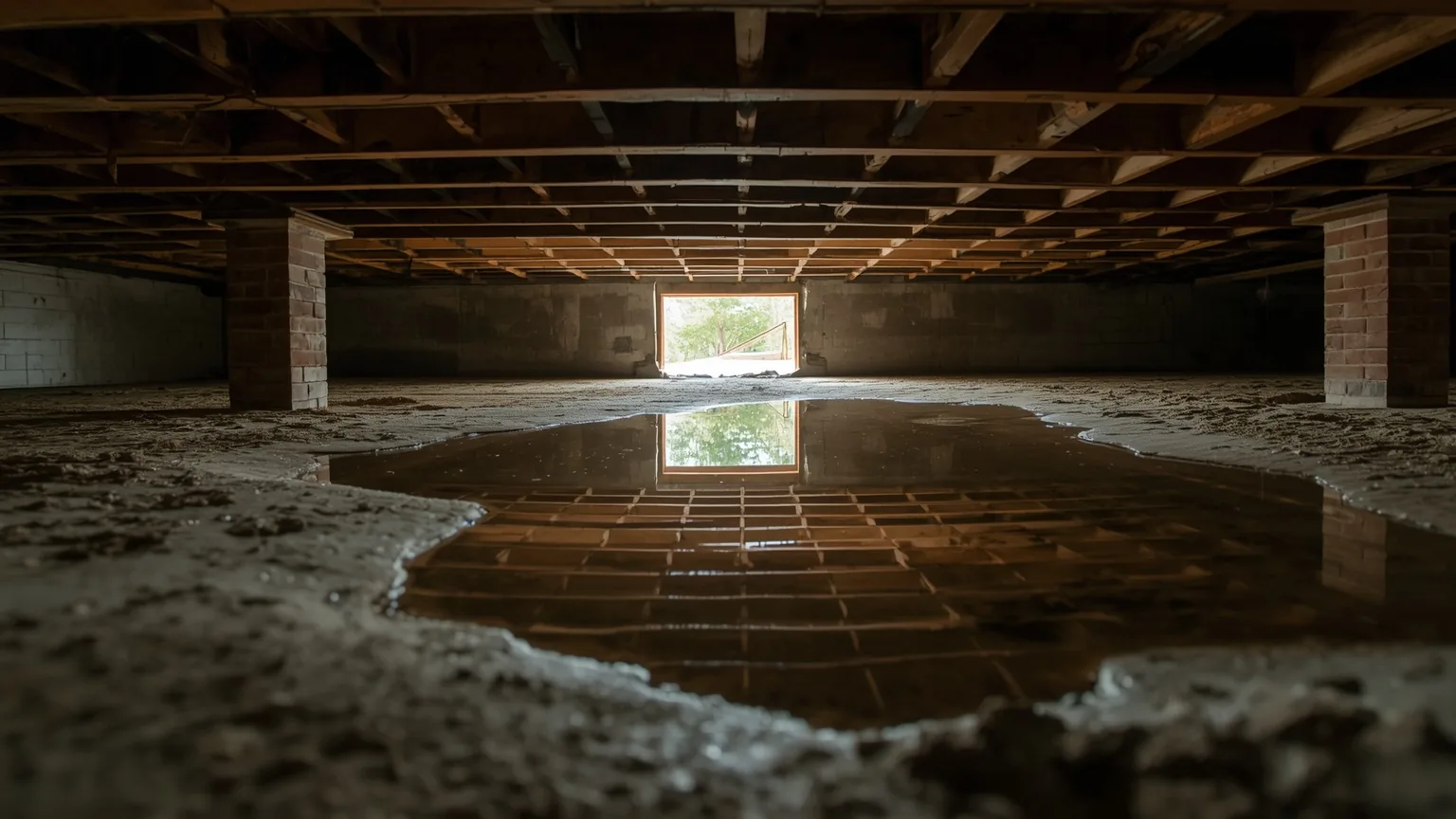
Crawl Space Waterproofing
Stopping liquid water from arriving — outside causes checked first.
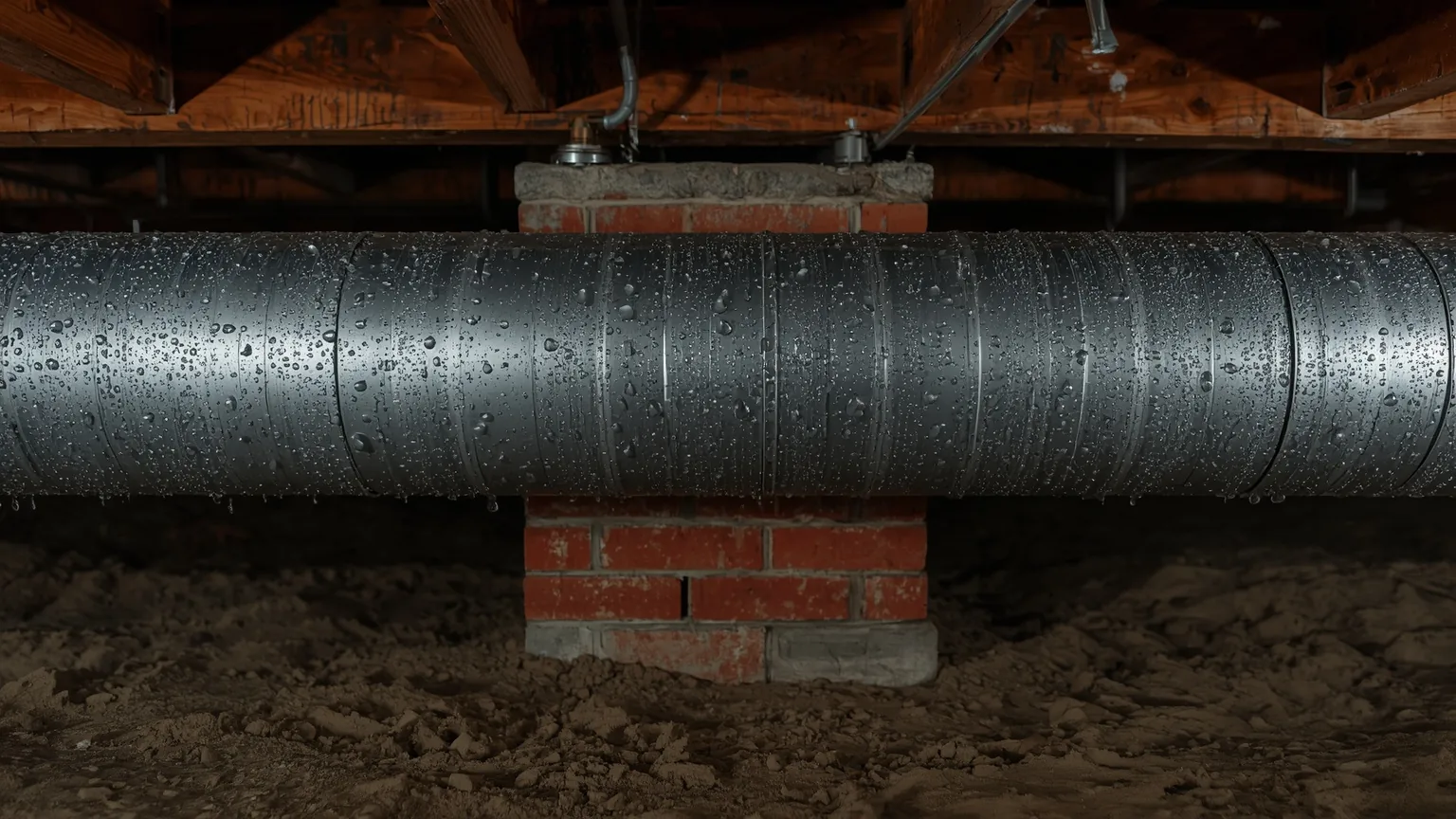
Crawl Space Moisture Control
Identifying the source before choosing the remedy.
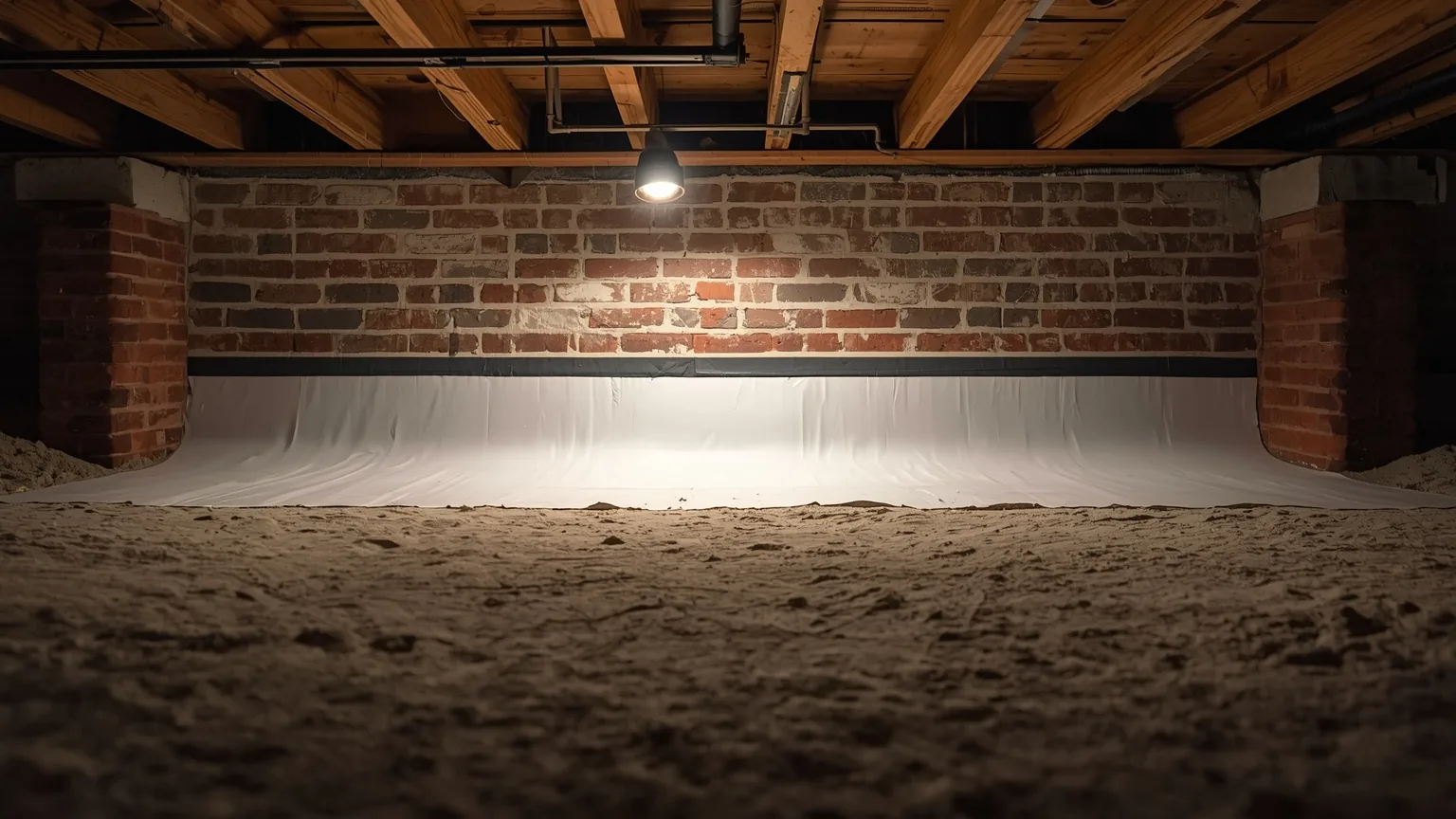
Crawl Space Encapsulation
The full sealed system — liner, closed vents and managed humidity.
Crawl Space Insulation
Fallen batts, and whether insulation belongs on the floor at all.
Find out what is actually causing it.
An inspection underneath, readings taken on site, and a written scope ahead of any figure.