
Crawl Space Sump Pump Installation in Charleston, SC
A sump pump is the exit for a drainage system. On a flat coastal lot it is often the only exit there is, which makes the backup question more than a nicety.
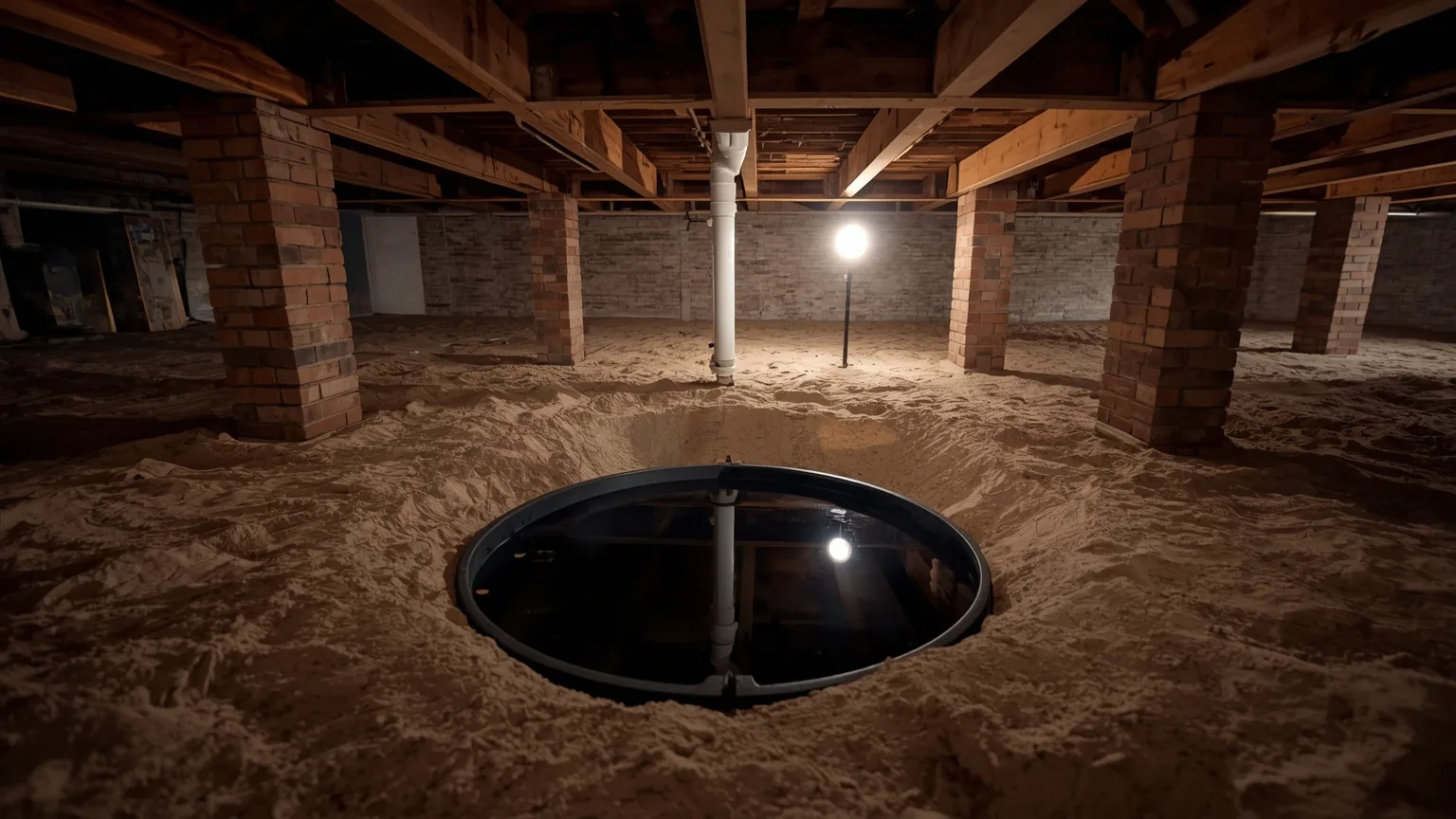
Who handles crawl space sump pumps in Charleston, SC?
Charleston Crawl Space Solutions arranges crawl space sump pump installation across the Charleston area. A sump system is a basin set at the low point, a pump, and a discharge line carrying water clear of the foundation. It works as the outlet of a drainage system that collects water and delivers it to the basin — a pump alone does not make a wet crawl space dry. Call (843) 890-8281 to arrange an evaluation.
The three parts, and why the pump is the least interesting one
A sump system is a basin, a pump and a discharge route. Homeowners focus on the pump because it is the part with a brand and a horsepower rating. In practice the other two decide whether the system works.
- The basin. Set at the genuine low point, deep enough for a sensible on-off cycle, and able to receive the drainage that feeds it. A basin in the wrong place cannot be fixed with a better pump.
- The pump. Sized to the water it will actually see, with a float or switch arrangement that will not jam. Short-cycling wears a pump out early.
- The discharge. Rigid line, routed somewhere the water will not simply come back. On a flat lot that is a genuine design question rather than a detail.
What feeds it
A pump can only move water that reaches it. If the crawl space floor does not drain toward the basin, or there is no drainage collecting water and delivering it there, the pump sits dry while water stands ten feet away.
This is the most common disappointment with sump systems and it is a design failure rather than an equipment failure. The basin is the outlet of a collection system, and the collection system does the actual work.
Testing, service life and being honest about the electrical side
Pumps fail, and they usually fail silently in a place nobody visits. Testing means pouring water into the basin and confirming the pump starts, moves it and stops — not simply lifting the float, which proves only that the switch moves. Twice a year is a reasonable rhythm, with one of those before storm season.
Check the discharge is actually delivering water where it should. A line knocked loose or blocked returns the water to the foundation, and the pump will run happily while the crawl space refills.
On the electrical work: this is a job for a licensed electrician and general guidance is as far as this page goes. A dedicated circuit, correct protection and a receptacle positioned sensibly for a damp location are the sort of things to expect. If a quote has a pump being plugged into whatever happens to be nearby, that is worth questioning.
An alarm is cheap and underrated — something that tells you the pump has failed before the crawl space tells you.
The wettest months are also the season the power goes out
The Atlantic hurricane season runs from June 1 to November 30. Set that against the rainfall pattern at Charleston International Airport on the 1991-2020 normals: 19.33 inches fall in June, July and August, and another 12.28 inches across September, October and November. Better than sixty percent of the year's 51.03 inches arrives inside the hurricane season window.
A sump pump is an electrical appliance, and the weather that produces the most water is the same weather most likely to interrupt the power that runs it. That is not a hypothetical trade-off here the way it might be inland — it is the normal shape of a Lowcountry year.
It is the strongest practical argument for a backup arrangement and an alarm on any system that carries real volume, and it is worth raising with a contractor at quoting stage rather than discovering the gap during a storm. What form the backup takes — battery, water-powered where the plumbing suits it, or a generator circuit — depends on how much water the system moves and what happens if it stops for a few hours.
Crawl Space Sump Pumps questions
Do I need a sump pump in my crawl space?
Only where liquid water genuinely collects. A humid but dry crawl space has a vapor problem, and a sump pump does nothing for it. Where water does collect, a pump is the outlet of a drainage system rather than a standalone fix.
Why does my sump pump never run when the crawl space is wet?
Almost always because water is not reaching the basin. Either the floor does not fall toward it or there is no drainage collecting water and delivering it there. That is a design problem, and a larger pump will not change it.
Do I need a battery backup in Charleston?
It deserves more weight here than in many markets. The wettest months coincide with the season when power interruptions are most likely, and that is exactly when a pump matters most. If the system carries real volume, a backup and an alarm are reasonable rather than optional.
How often should a sump pump be tested?
About twice a year, with one test before storm season. Pour water into the basin rather than just lifting the float, so you confirm the pump actually moves water and shuts off, and check the discharge is delivering it clear of the house.
Where should the discharge go?
Far enough from the foundation that water does not simply return, onto ground that will carry it away, and not onto a neighboring property. On a flat lot that is harder than it sounds and should be settled in the scope rather than improvised on the day.
Related crawl space services
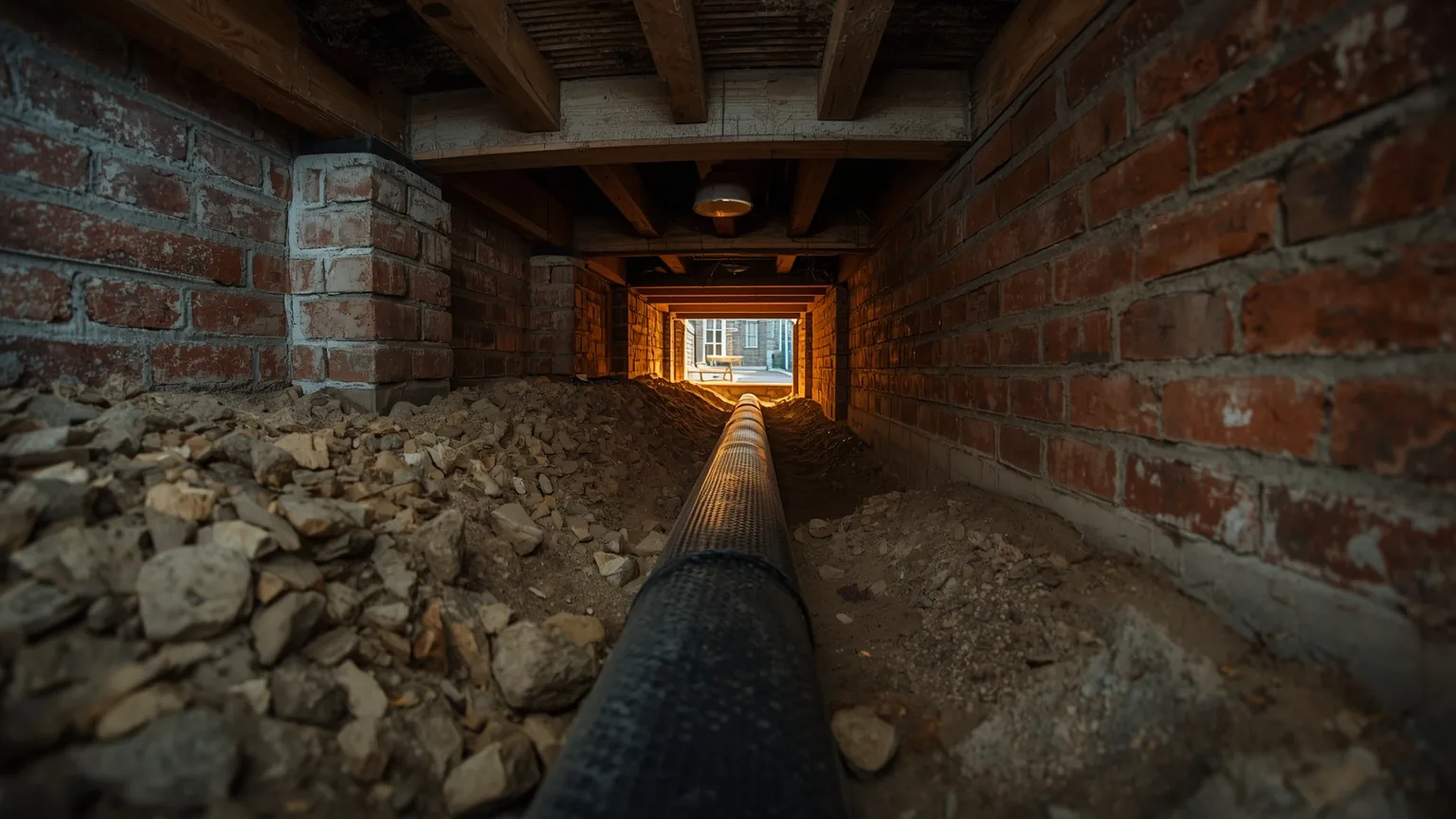
Crawl Space Drainage
A route out for water, once the cheap causes are eliminated.
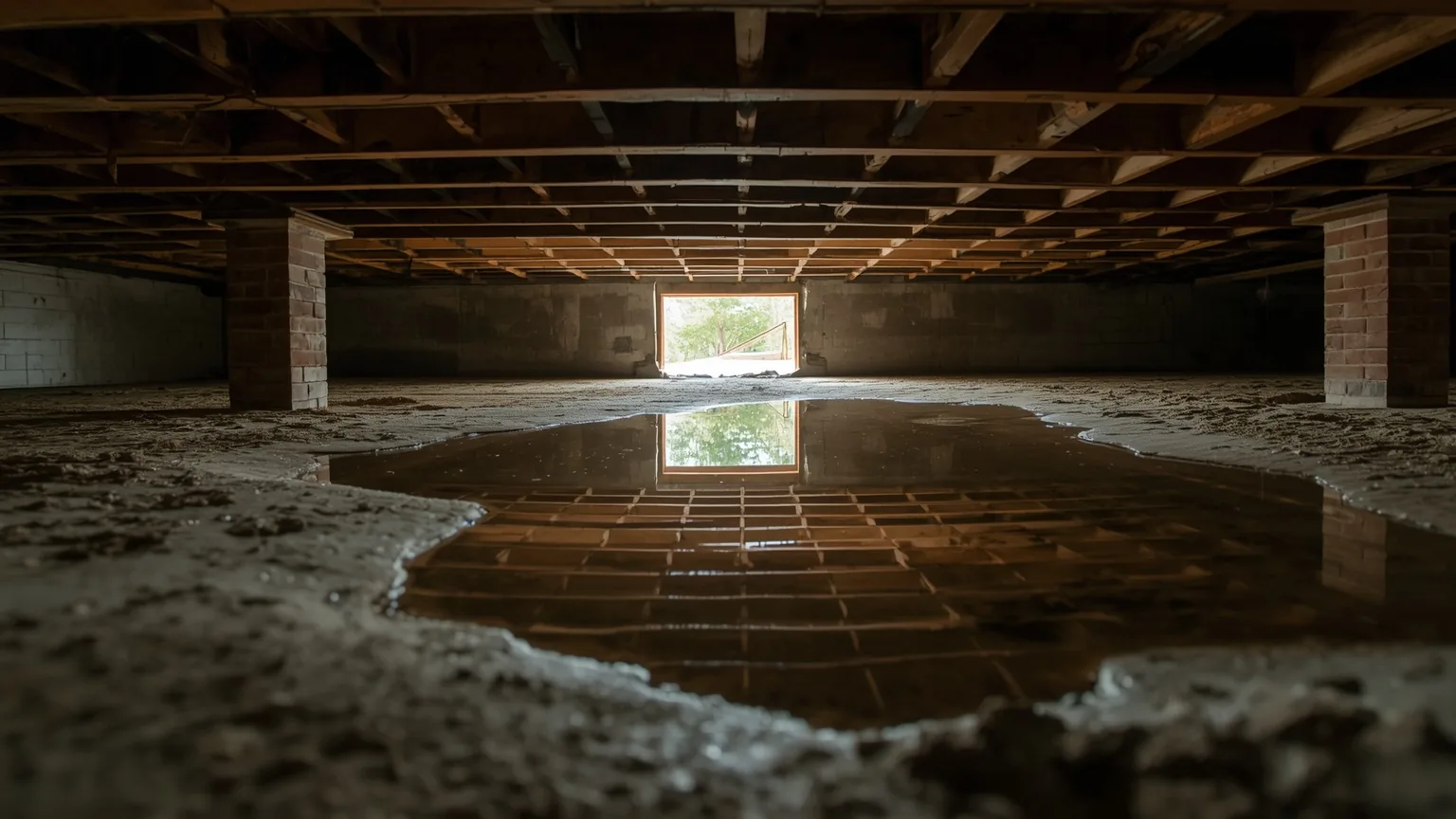
Crawl Space Waterproofing
Stopping liquid water from arriving — outside causes checked first.
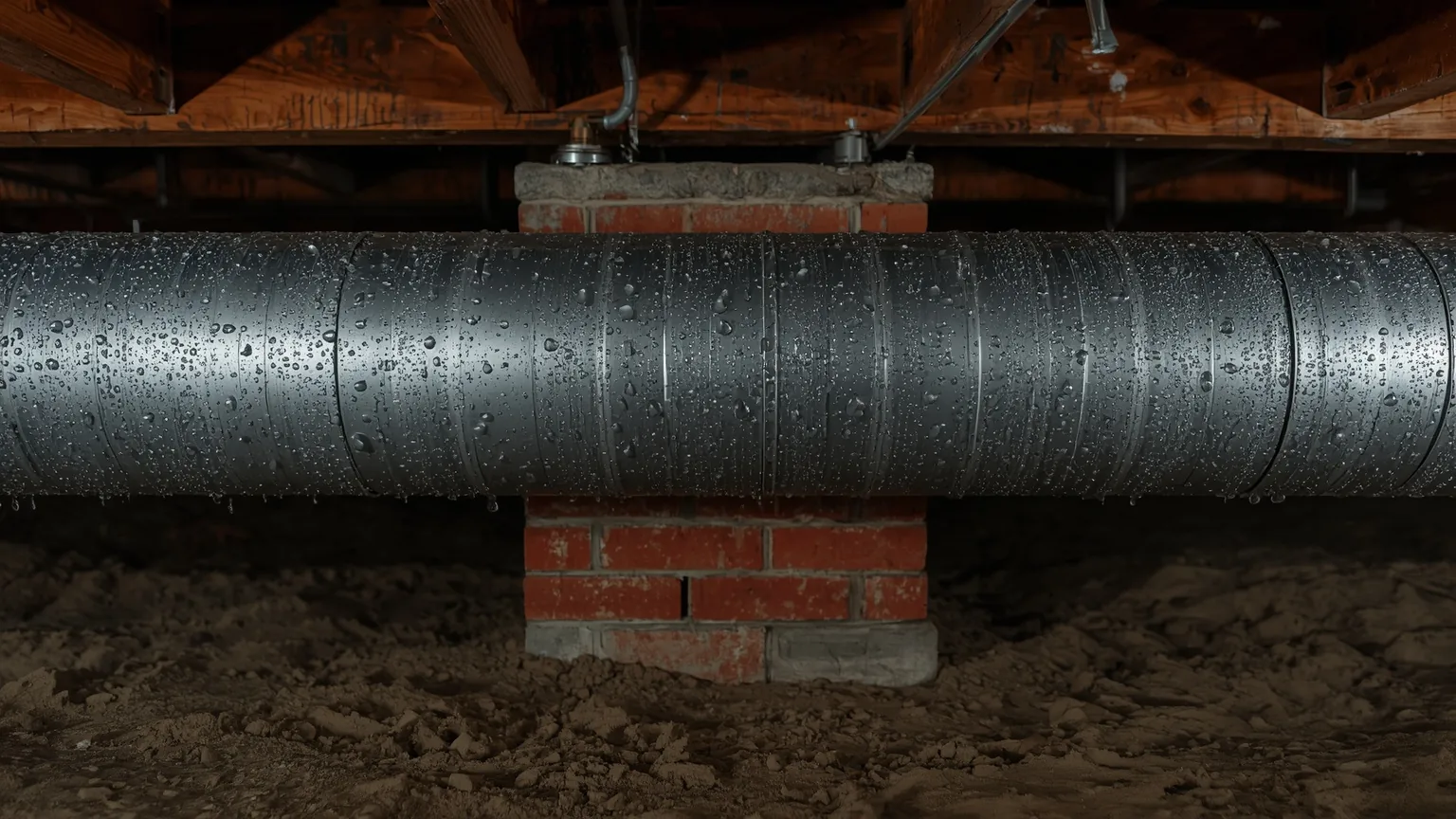
Crawl Space Moisture Control
Identifying the source before choosing the remedy.
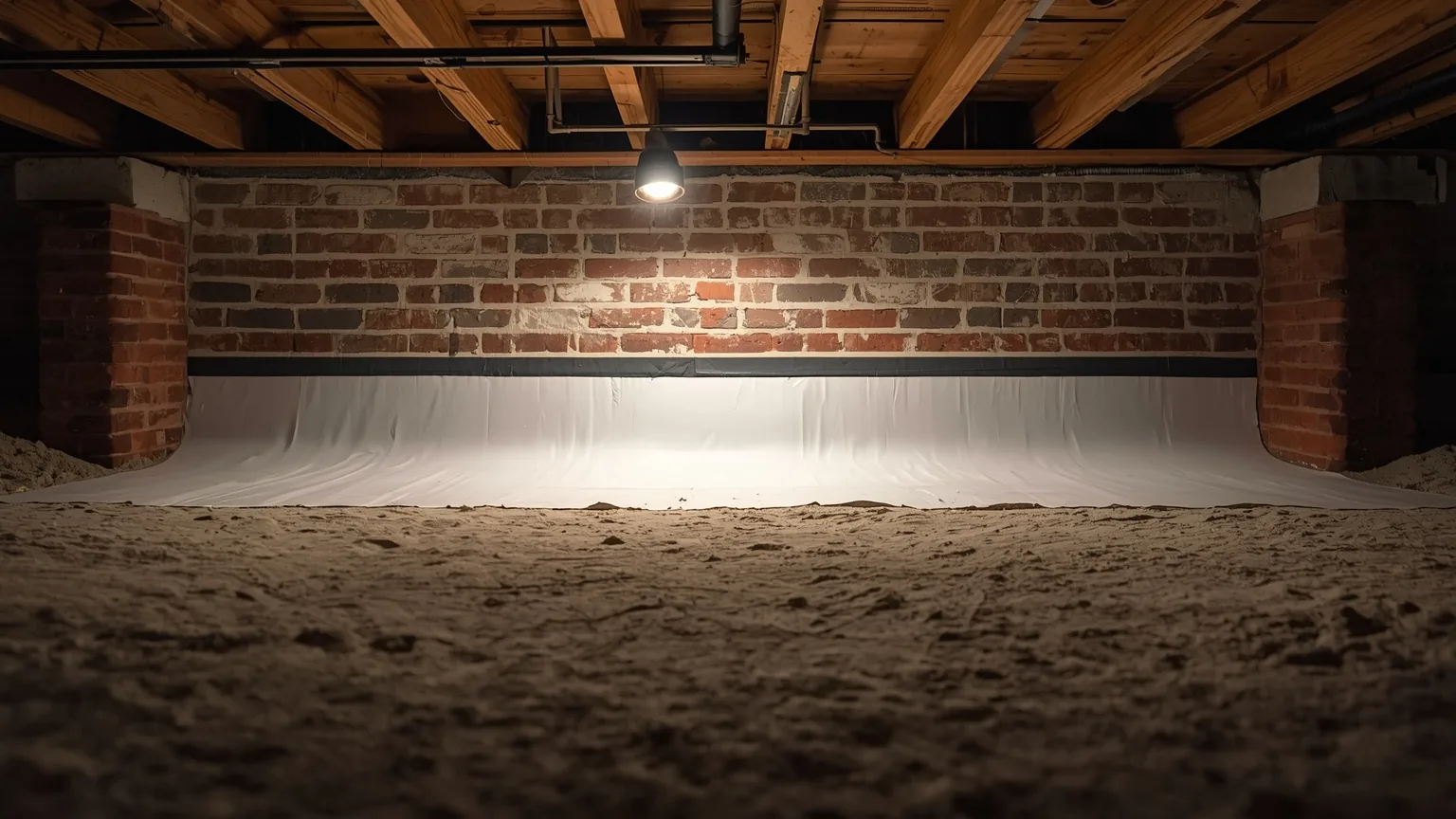
Crawl Space Encapsulation
The full sealed system — liner, closed vents and managed humidity.
Find out what is actually causing it.
An inspection underneath, readings taken on site, and a written scope ahead of any figure.