
Crawl Space Encapsulation in Charleston, SC
Encapsulation seals the crawl space off from the ground and the outside air, then controls what is left. In this climate it is often the right call — but not before the water is dealt with.
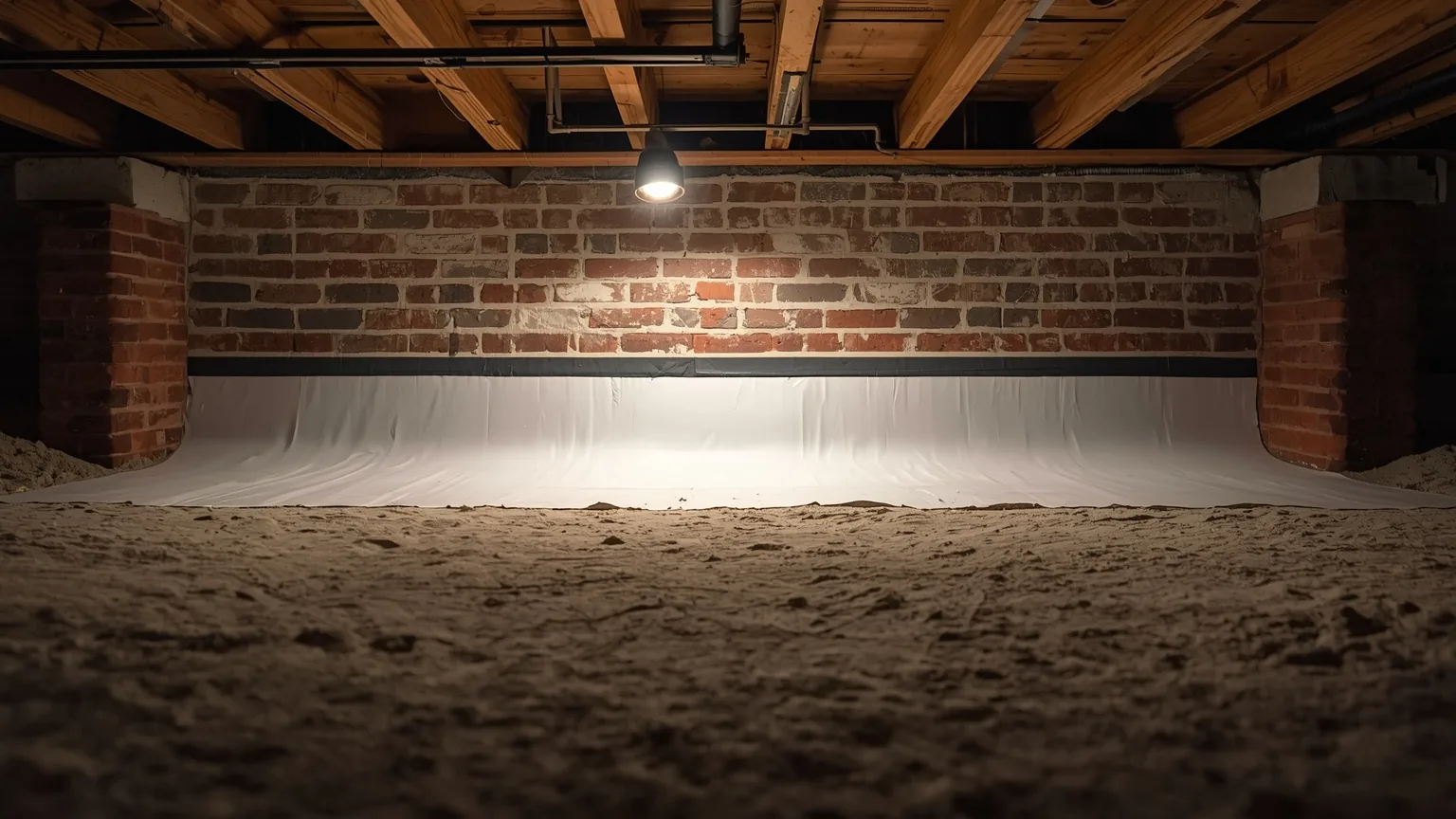
Who handles crawl space encapsulation in Charleston, SC?
Charleston Crawl Space Solutions arranges crawl space encapsulation across Charleston, Mount Pleasant and North Charleston. Encapsulation means a sealed liner over the ground and up the walls, vents closed, and humidity actively managed — not a sheet of plastic laid on the dirt. South Carolina specifies the liner by a strength standard, which is worth checking on any quote. Call (843) 890-8281 to arrange an evaluation.
What encapsulation actually is
A crawl space is encapsulated when the ground is covered by a continuous sealed liner, that liner is carried up and attached to the foundation walls, the foundation vents are closed, and the humidity in the resulting sealed space is deliberately controlled. All four parts matter. Three out of four is a partial job that behaves unpredictably.
South Carolina's residential code treats this as a defined construction type rather than a product. Section R408.3 sets what the liner has to be and what has to condition the space afterward, and both halves are enforceable. A crawl space with the vents closed and nothing managing humidity is not an encapsulated crawl space — it is a sealed box.
The liner requirement here is stricter than the model code's, and it is covered in full on the vapor barrier page because it is the single most checkable line on any Charleston quote.
Signs it is worth considering
None of these prove you need encapsulation. They are the conditions under which it tends to be the right tool.
- Bare soil underfoot. An open dirt floor releases moisture continuously, and ventilation does not keep up with it in a Lowcountry summer.
- Humidity that will not come down between June and September. A space that reads high all summer and settles in winter is describing a vapor and air problem rather than a leak.
- Condensation on ducts and pipes. Water beading on cold surfaces is outdoor air giving up moisture — exactly what closing the space and controlling humidity addresses.
- Insulation hanging out of the joists. Batts that absorbed moisture, gained weight and let go are reporting sustained humidity. See crawl space insulation.
- A musty smell in the rooms above. Air moves upward through a house, so what the crawl space smells like tends to reach the ground floor.
When encapsulation is the wrong first move
If liquid water enters the crawl space, sealing it in is the most expensive mistake available in this trade. A liner over an active water source hides the water, holds it against the ground, and removes the evaporation that was partly clearing it. The water is dealt with first through drainage or wider waterproofing, and only then is there any point sealing.
That sequencing matters more here than in most markets, because a good number of Lowcountry lots sit close to the water table for part of the year. A space that is dry the week of the estimate is not necessarily a dry space.
Structural problems follow the same rule. If joists or girders have already been damaged, the repair happens before the liner goes down — the liner is in the way of every one of those repairs.
And not every crawl space needs this. A space that is dry, has a sound barrier and holds reasonable humidity through August does not need a five-figure intervention to make it better.
Encapsulation, vapor barrier or repair — which one you are actually buying
Three products share this vocabulary and they solve different things. Ground cover — a vapor barrier — interrupts moisture evaporating out of the soil, and where the space is otherwise dry and tight that can be the whole intervention. A sealed system goes further: walls lined, vents closed, and air actively dried, which is the part that changes what the living space above actually experiences.
Repair sits outside that pair entirely. It restores framing and supports that moisture has already taken, and it belongs earlier in the sequence than either — a liner fitted over compromised structure simply removes it from view.
What affects the cost
Quotes for the same house diverge mostly on specification, not on square footage. The liner class and whether it is carried up the foundation walls; whether the rim joist is air-sealed or left; which drying method is written into the scope and whether the electrical work to power it is included; how the seams are treated. Two proposals can differ by a wide margin and both be honest, because they are not describing the same system.
Site conditions do the rest. Working headroom and the size of the original access opening set how many hours the same square footage takes, and anything already on the ground — failed insulation, debris, an old torn liner — has to come out and be disposed of before new material goes down. That removal line is the one most often absent from the cheapest quote.
What a real scope should tell you
A quote that reads as one line and one number for "encapsulation" is not a scope. Ask which liner product is being installed and what standard it meets, how the seams are treated, how far up the wall the liner goes and how it is fastened, what happens at piers and penetrations, whether the vents are being sealed, which of the four accepted conditioning methods is included, and what is specifically excluded.
Two contractors can use the same word and describe genuinely different work at a similar price. The itemized version is the only way to compare them, and any contractor intending to do the job properly will produce one without difficulty. Our cost page works through the variables, and the contractor page covers how to check who is bidding.
Why the ground matters more here than almost anywhere
Formosan subterranean termites entered the continental United States through Charleston in the mid-1950s, and Clemson Cooperative Extension reports them established across many areas of Charleston County and into Dorchester and Berkeley. Colonies can run to several million workers, which is substantially larger than the native subterranean species.
The detail that matters for a crawl space is how they get in. An intensive Charleston survey of infested structures found 94 percent were infested from ground-based colonies and only 6 percent from aerial nests. The route in is the ground — which is the surface a crawl space sits directly on, and the surface an encapsulation liner is about to cover.
That is not an argument against encapsulation, and we are not a pest control company. It is an argument for planning the inspection path into the scope rather than discovering afterward that the wall liner covers the band your inspector needs to see. Anyone holding a termite agreement on the house should hear about the work before it starts.
Crawl Space Encapsulation questions
Is crawl space encapsulation worth it in Charleston?
It is worth it where the problem is vapor and humidity rather than liquid water, which describes a large share of crawl spaces in this climate. Where water actively enters — and near the water table that is common here — encapsulation on its own is not worth it and can make matters worse. An evaluation with moisture readings separates the two cases.
What liner does South Carolina require?
Section R408.3 of the South Carolina Residential Code requires the exposed earth in an unvented crawl space to be covered with a continuous vapor retarder meeting ASTM E1745 Class A, with joints lapped 6 inches and sealed, carried at least 6 inches up the stem wall. That is a strength standard, not simply a thickness.
Does encapsulation include a dehumidifier?
Not automatically, and this is worth pinning down in writing. The code accepts four ways of conditioning a sealed crawl space and dehumidification is only one of them. What matters is that your scope names one of the four rather than sealing the space and stopping.
Can I encapsulate a crawl space that floods?
Not as a first step. Sealing a space with an active water source traps the water under the liner. Drainage, grading or a sump system comes first, the space is confirmed dry across a wet stretch of weather, and only then does sealing make sense.
Will encapsulation affect my termite inspection?
It can affect access, which matters more here than in most of the country. Wall liner and insulation can cover the surfaces an inspector needs to see. Discuss it with whoever holds your termite agreement before work starts, and keep the inspection path in the scope — termite treatment itself is licensed pest control work, not crawl space contracting.
Related crawl space services
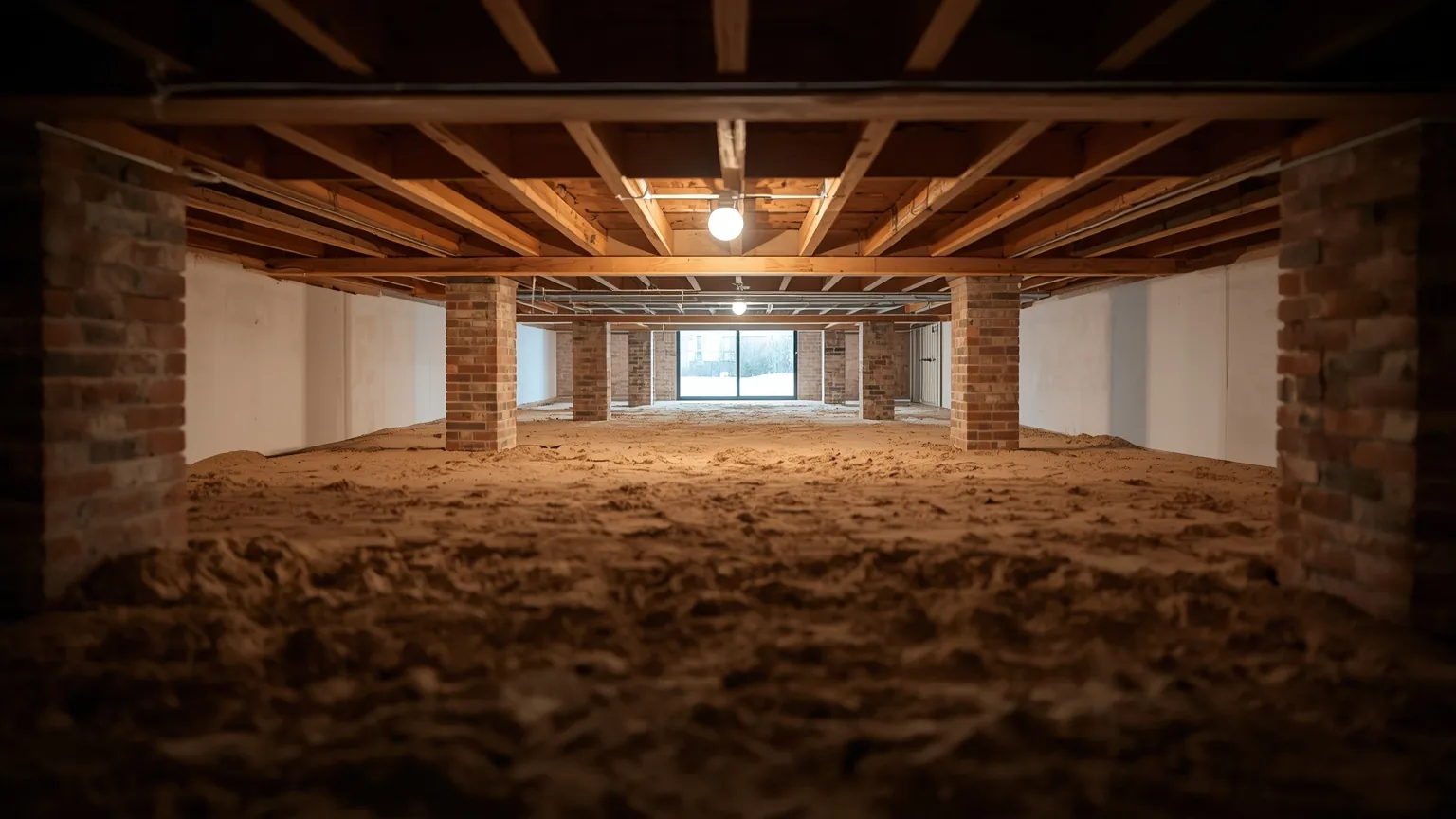
Crawl Space Encapsulation Cost
The variables behind the spread — and why one number cannot be honest.
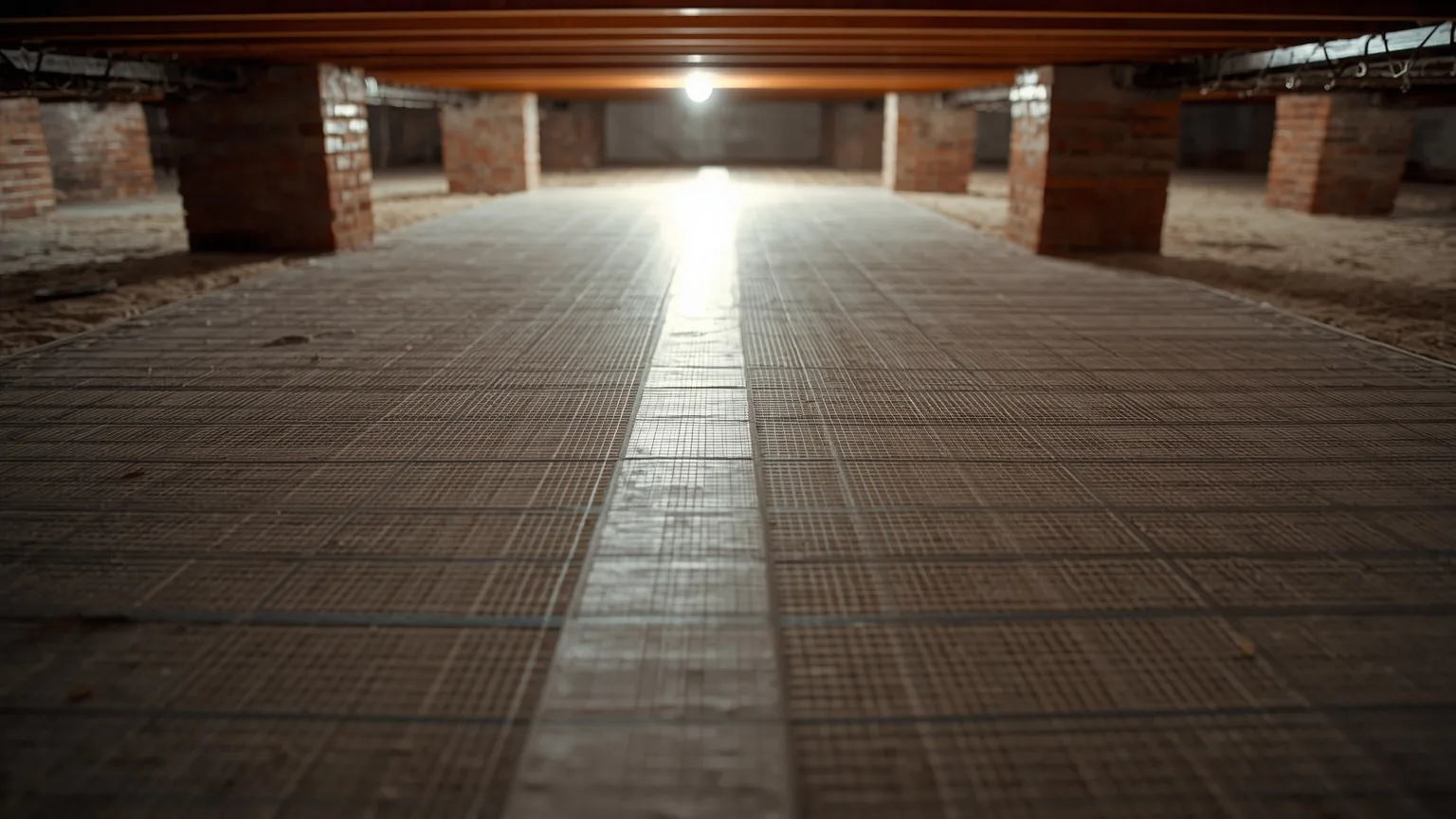
Vapor Barrier Installation
Ground cover that stops soil moisture — and the standard SC actually names.
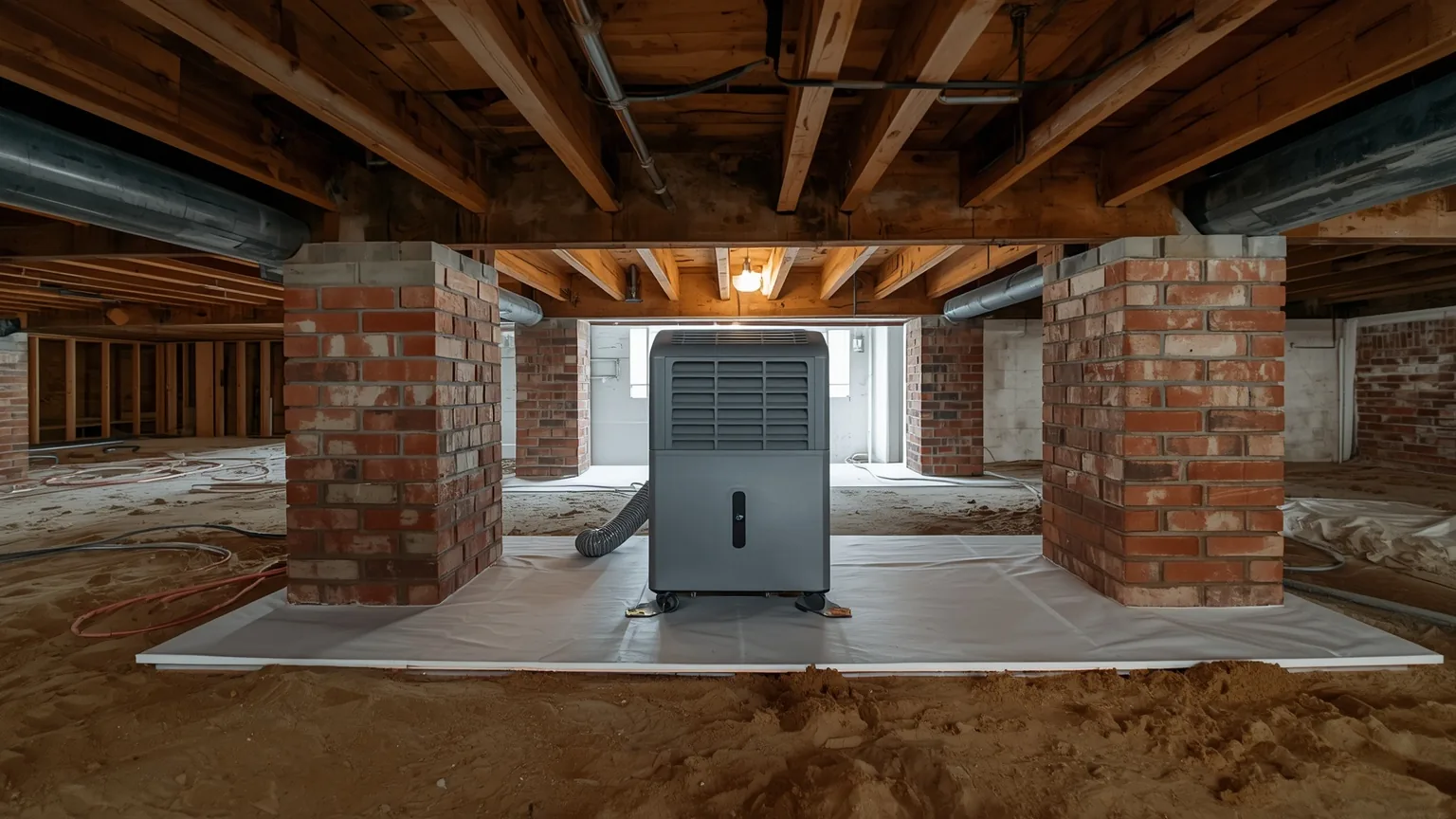
Crawl Space Dehumidifiers
When a unit is warranted, and how to pin down the sizing.
Crawl Space Encapsulation Contractor
What to verify before you hire, and the questions that separate bids.
Find out what is actually causing it.
An inspection underneath, readings taken on site, and a written scope ahead of any figure.