
Crawl Space Insulation in Charleston, SC
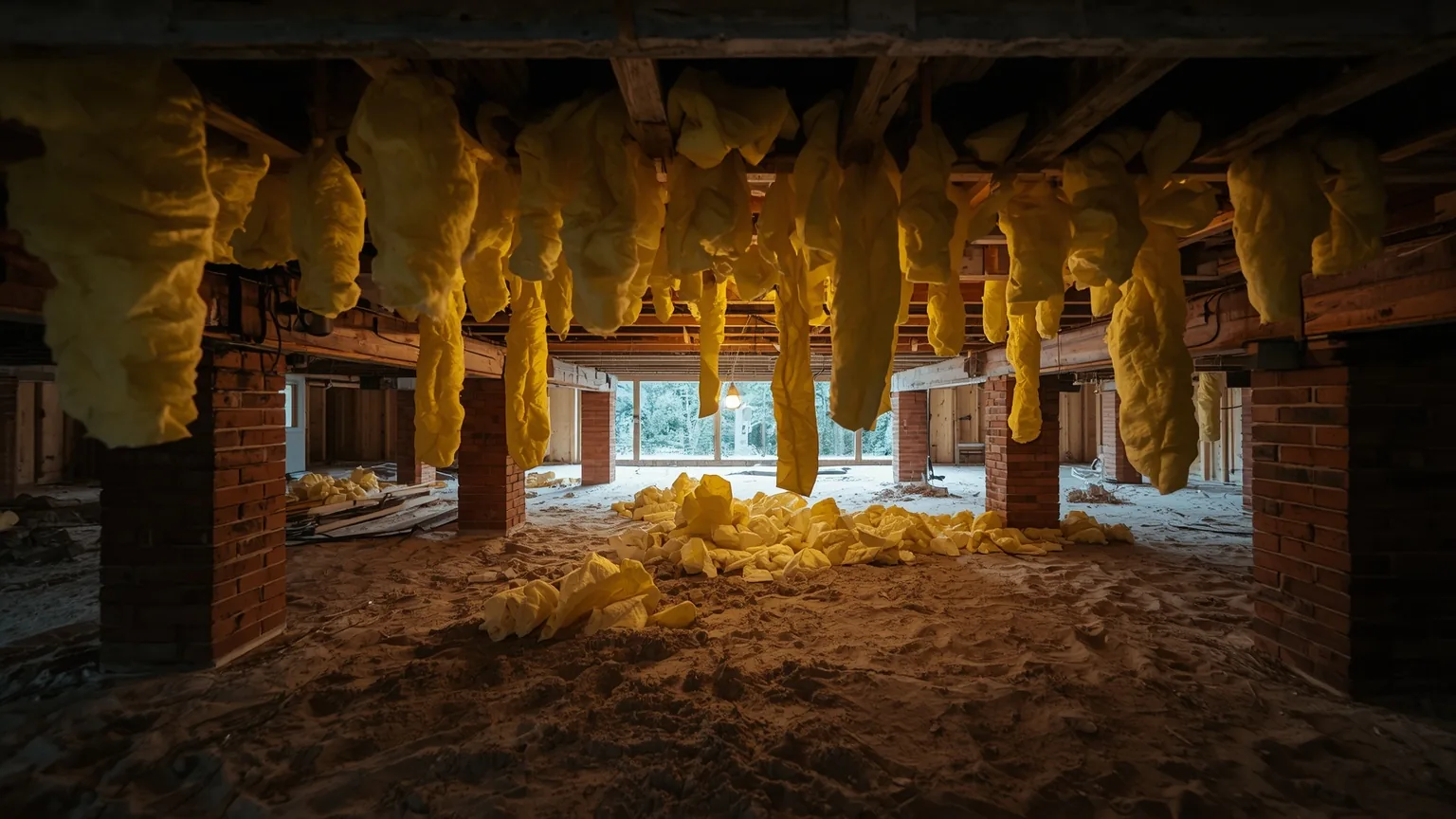
Insulation falling out of the joists is one of the most visible crawl space symptoms and one of the most misread. Putting it back the way it was usually buys a few years at most.
Who handles crawl space insulation in Charleston, SC?
Charleston Crawl Space Solutions arranges crawl space insulation work across the Charleston area. Fallen or saturated floor insulation is a moisture symptom rather than an installation failure, so the useful question is not how to reattach it but whether the insulation belongs on the floor at all once the space is sealed. Call (843) 890-8281 to arrange an evaluation.
Why batts fall down
Fiberglass batts installed between floor joists are held up by friction and by whatever wire or netting was used at installation. They are also open to whatever the crawl space air is doing.
In a humid vented space that air is carrying a lot of moisture for months at a time. The batts absorb it, gain weight, sag away from the subfloor and eventually let go. Once they are hanging, two things are true at once: they have stopped insulating, because the air gap they now enclose is not sealed, and they are holding damp material against the underside of your floor.
So a batt on the ground is not a fixing job. It is a report about the conditions in that space, and stapling it back up without changing those conditions restarts the same clock.
The question sealing changes
A crawl space is either inside the building envelope or outside it, and insulation belongs at the boundary.
In a traditional vented crawl space, the boundary is the floor above, so insulation goes between the floor joists. In a sealed crawl space, the boundary moves to the foundation walls, and the code's conditioning options assume perimeter walls are insulated rather than the floor.
That is why encapsulation and insulation are not separate decisions. If a space is being sealed, floor insulation may be removed rather than replaced, and a quote that includes both new floor batts and a full seal is worth asking about — it may be correct for your house, and it may be two approaches stapled together.
What removal actually involves
Wet fiberglass in a crawl space is unpleasant, heavy and often contaminated with whatever else has been living down there. It has to be bagged and carried out through the access opening, and disposal is a real line item rather than a rounding error.
It is also the point at which the framing above becomes visible for the first time in years. That is the right moment for a proper look at joists and subfloor, because anything that needs repair is far cheaper to reach now than after a liner is installed.
If old insulation is coming out, ask whether the inspection of what is behind it is included, and ask for photographs.
A climate that finds this out quickly
Insulation under a floor is a slow experiment in whatever the crawl space air is doing, and in the Lowcountry the experiment concludes faster than in most of the country. Warm air holds far more moisture than cool air, and here the warm season is long, wet and humid rather than a brief peak.
The result is a pattern any local contractor will recognize: batts that were installed correctly, performed for a while, and are now on the ground. Homeowners often assume a bad installer. Usually the installer was fine and the environment was the problem.
It is also why the insulation question and the sealing question should be answered together rather than in sequence. Deciding to seal a crawl space after paying to re-insulate the floor means paying twice for the same square footage, and it happens often enough here to be worth flagging before either job is booked.
Crawl Space Insulation questions
Why does my crawl space insulation keep falling down?
Almost always because it has absorbed moisture, gained weight and pulled away from its supports. That is a symptom of the humidity in the space rather than a fault in the installation, so reattaching it without addressing the moisture produces the same result again.
Should I replace fallen crawl space insulation?
Not automatically, and not before deciding whether the space is being sealed. If it is, the insulation boundary moves to the foundation walls and new floor batts may be the wrong purchase entirely. If the space stays vented, replacement makes sense only alongside genuine moisture control.
Does encapsulation mean removing floor insulation?
Often, because sealing moves the building envelope from the floor to the foundation walls, and the code's conditioning options assume insulated perimeter walls. Whether it comes out in your case is a question for the evaluation, but a scope that seals the space and also installs fresh floor batts deserves an explanation.
Is wet insulation a health hazard?
We do not make health claims. What we can say is that wet fiberglass holds moisture against the underside of your floor, stops performing as insulation, and should be removed and disposed of properly rather than left in place or reattached.
Can I just add more insulation?
Adding material to a space that is destroying the existing material does not usually end well. The moisture conditions are the thing to change first; the insulation decision follows from what the space becomes.
Related crawl space services
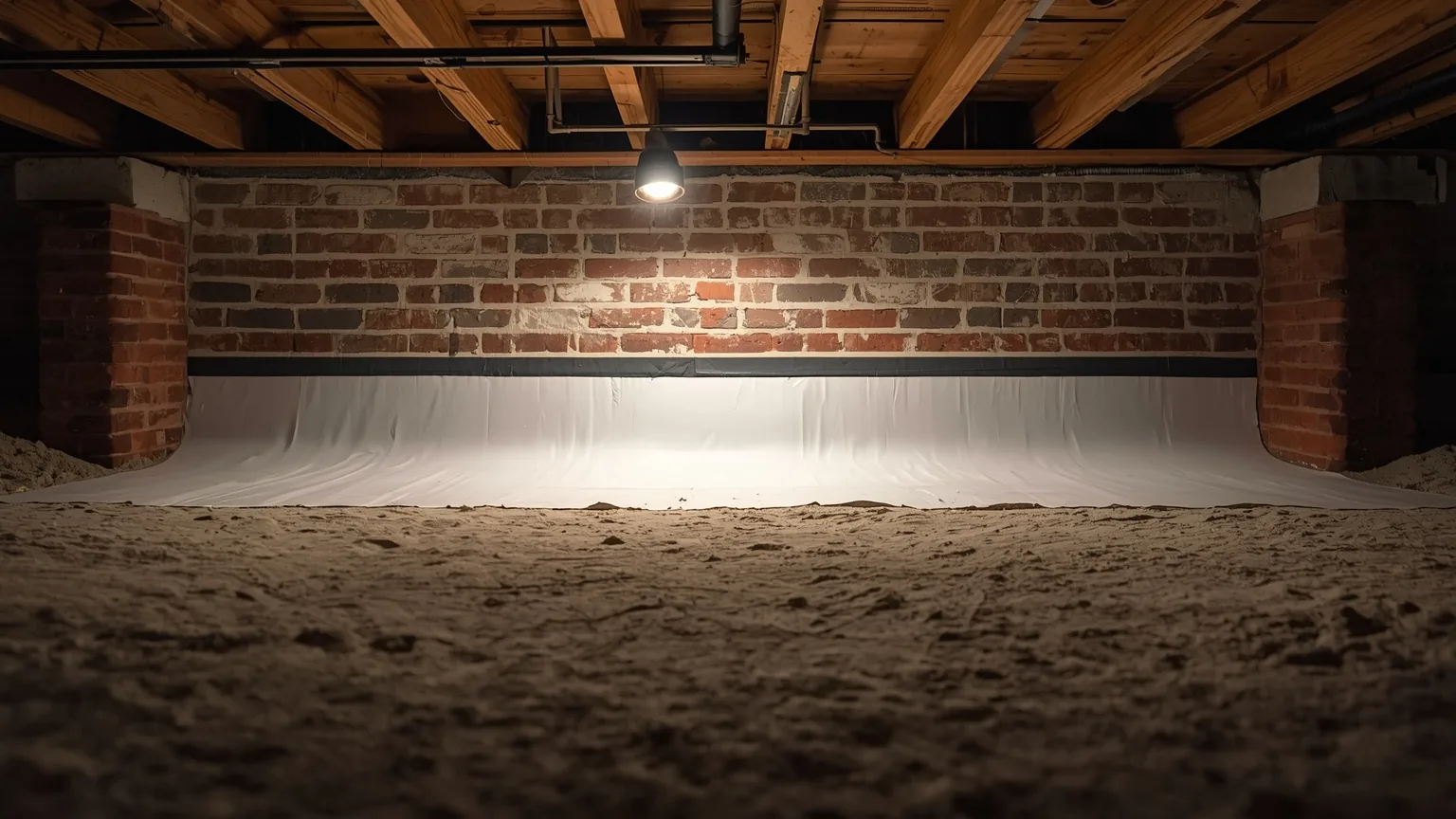
Crawl Space Encapsulation
The full sealed system — liner, closed vents and managed humidity.
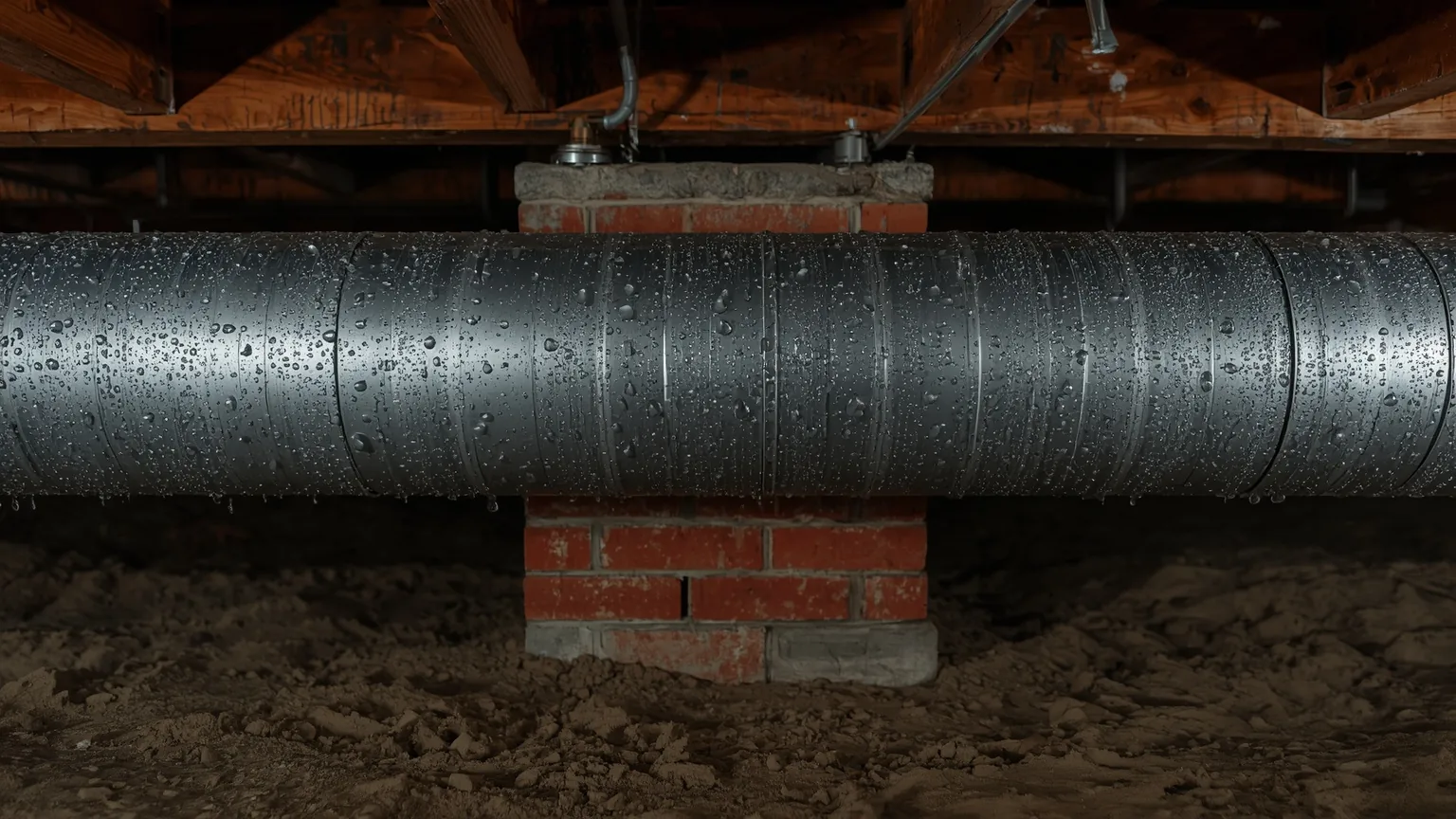
Crawl Space Moisture Control
Identifying the source before choosing the remedy.
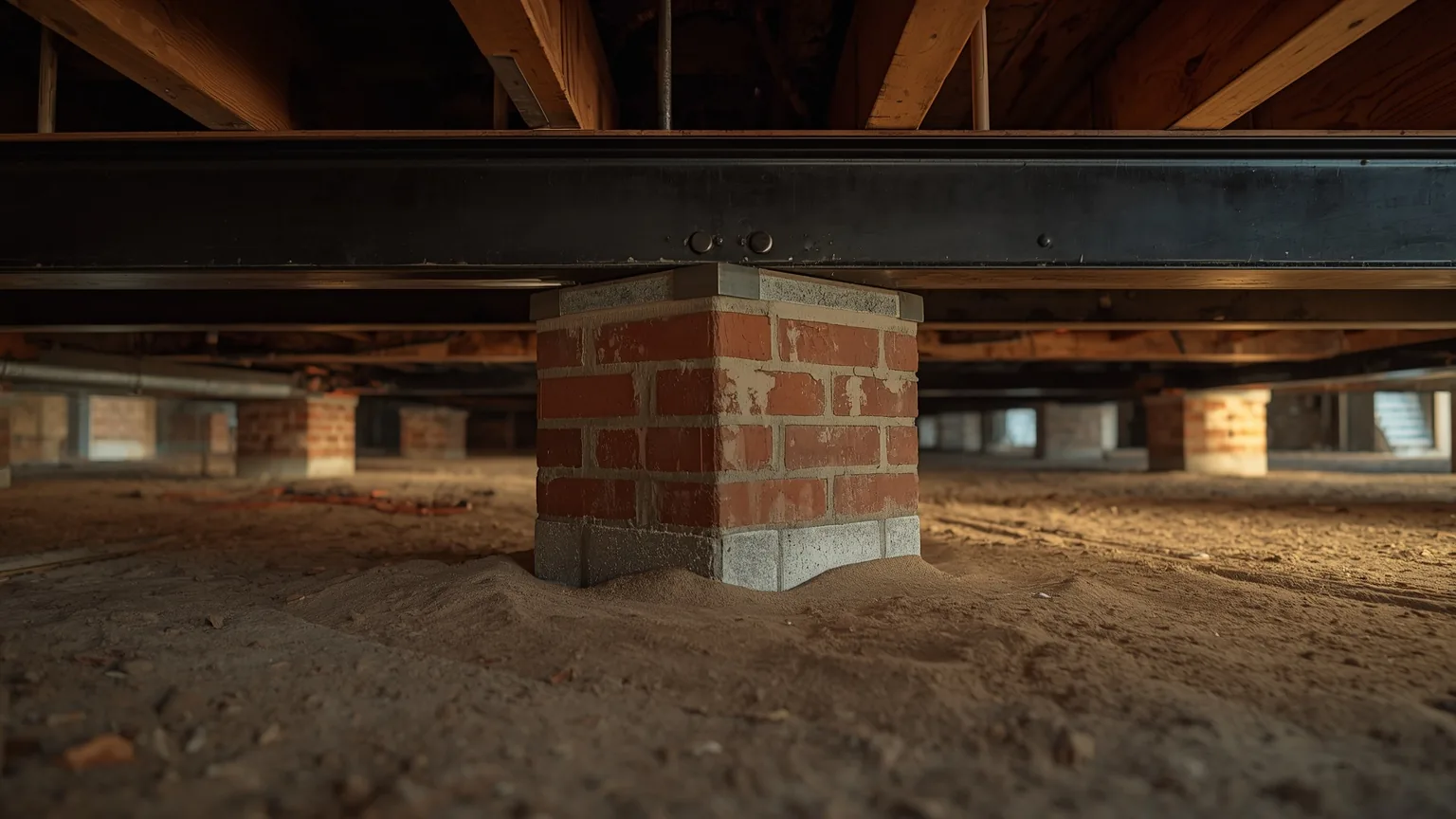
Crawl Space Repair
Sagging floors, damaged framing and failed supports — after the cause is found.
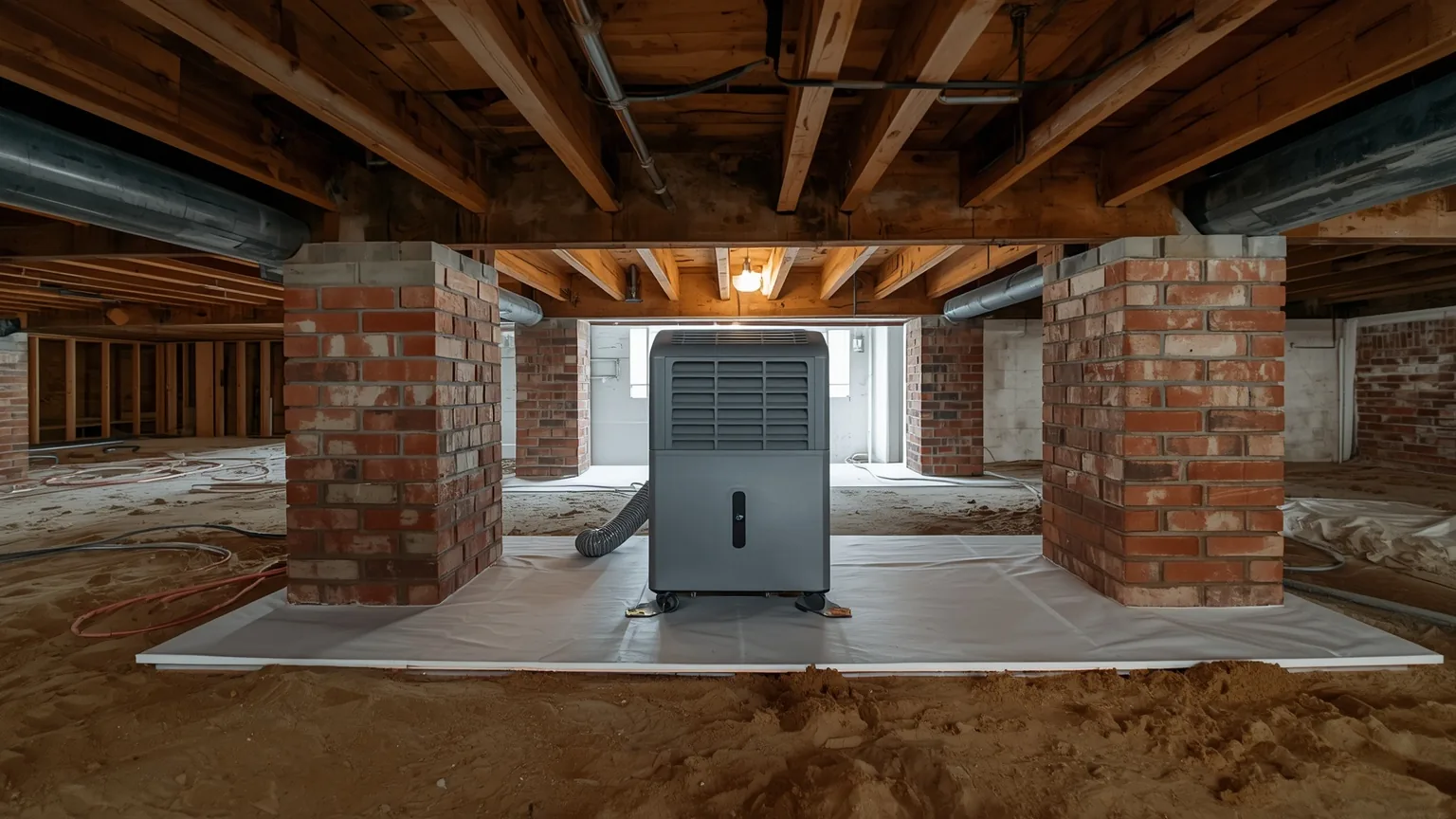
Crawl Space Dehumidifiers
When a unit is warranted, and how to pin down the sizing.
Find out what is actually causing it.
An inspection underneath, readings taken on site, and a written scope ahead of any figure.