
Crawl Space Encapsulation & Repair in Charleston, SC
Crawl space problems here are usually a moisture story before they are a water story. We find what is actually driving it — humid summer air, ground vapor, or water genuinely getting in — and scope the fix in that order, with moisture readings and a written scope before anything is priced.
Who handles crawl space encapsulation and repair in Charleston, SC?
Charleston Crawl Space Solutions arranges crawl space encapsulation, repair and waterproofing across Charleston, Mount Pleasant and North Charleston. The work is carried out by independent contractors, and it starts with moisture readings and a written scope rather than a price. Call (843) 890-8281.
Common crawl space problems in Charleston homes
The mechanism is not complicated. Warm air holds far more moisture than cool air. Summer air comes through the foundation vents, meets ductwork, water lines and the underside of the subfloor sitting below its dew point, and the moisture leaves the air and lands on those surfaces as liquid water.
The June-to-August mean at that station is 80.7 degrees F against an annual mean of 65.9, and warm air holds far more moisture than cool air. That is why a crawl space here is so often at its worst in late summer rather than after a single storm — and why opening more vents tends to make it worse instead of better.
Air moves upward through a house. A real share of what circulates on the ground floor entered from the crawl space first, which is why what happens under the floor is noticeable in the rooms above it. For most homeowners that smell upstairs is the first sign anything is wrong at all.
Crawl space services across Charleston and the Lowcountry
Encapsulation & Moisture
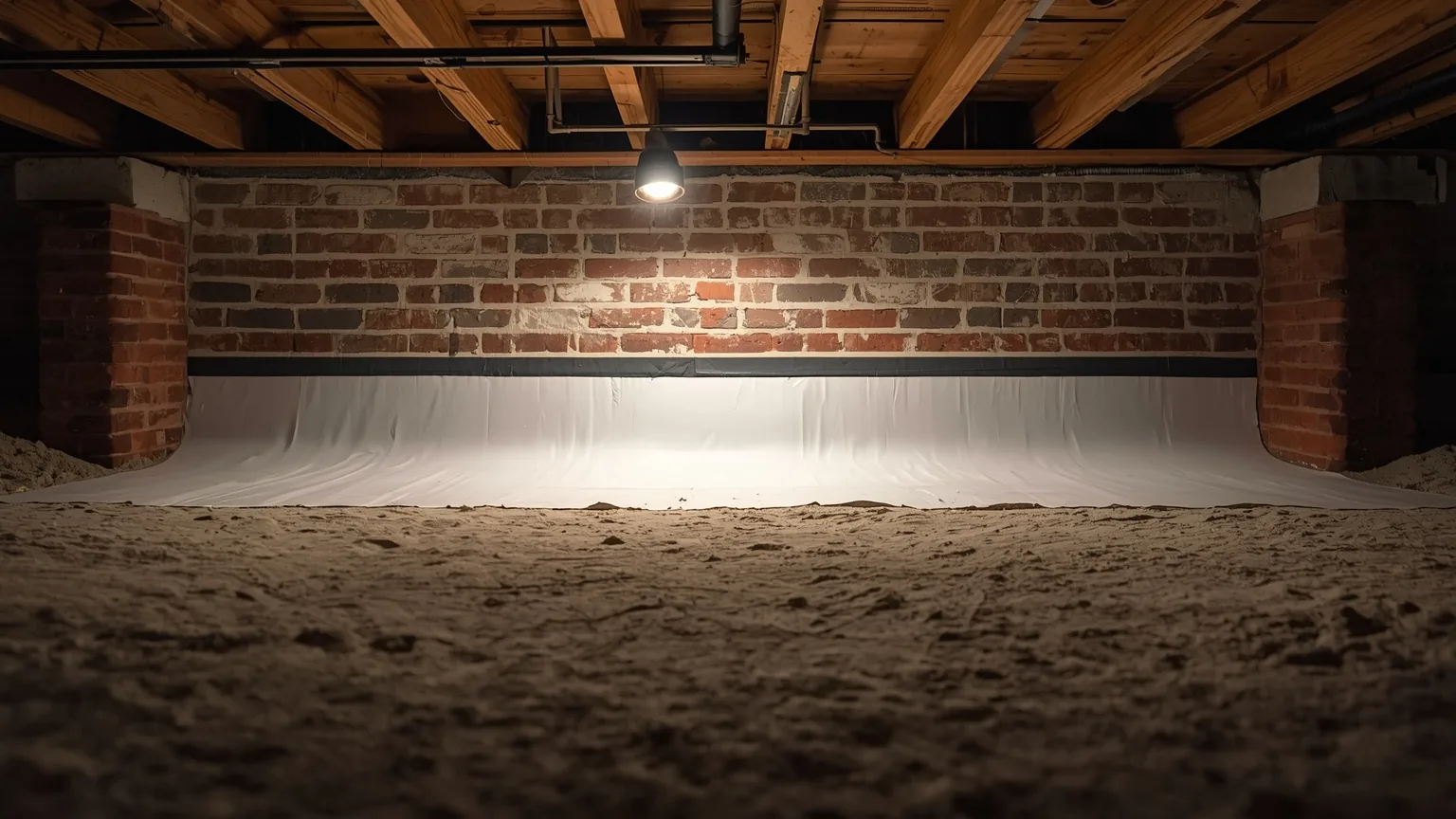
Crawl Space Encapsulation
The full sealed system — liner, closed vents and managed humidity.
Crawl Space Encapsulation Contractor
What to verify before you hire, and the questions that separate bids.
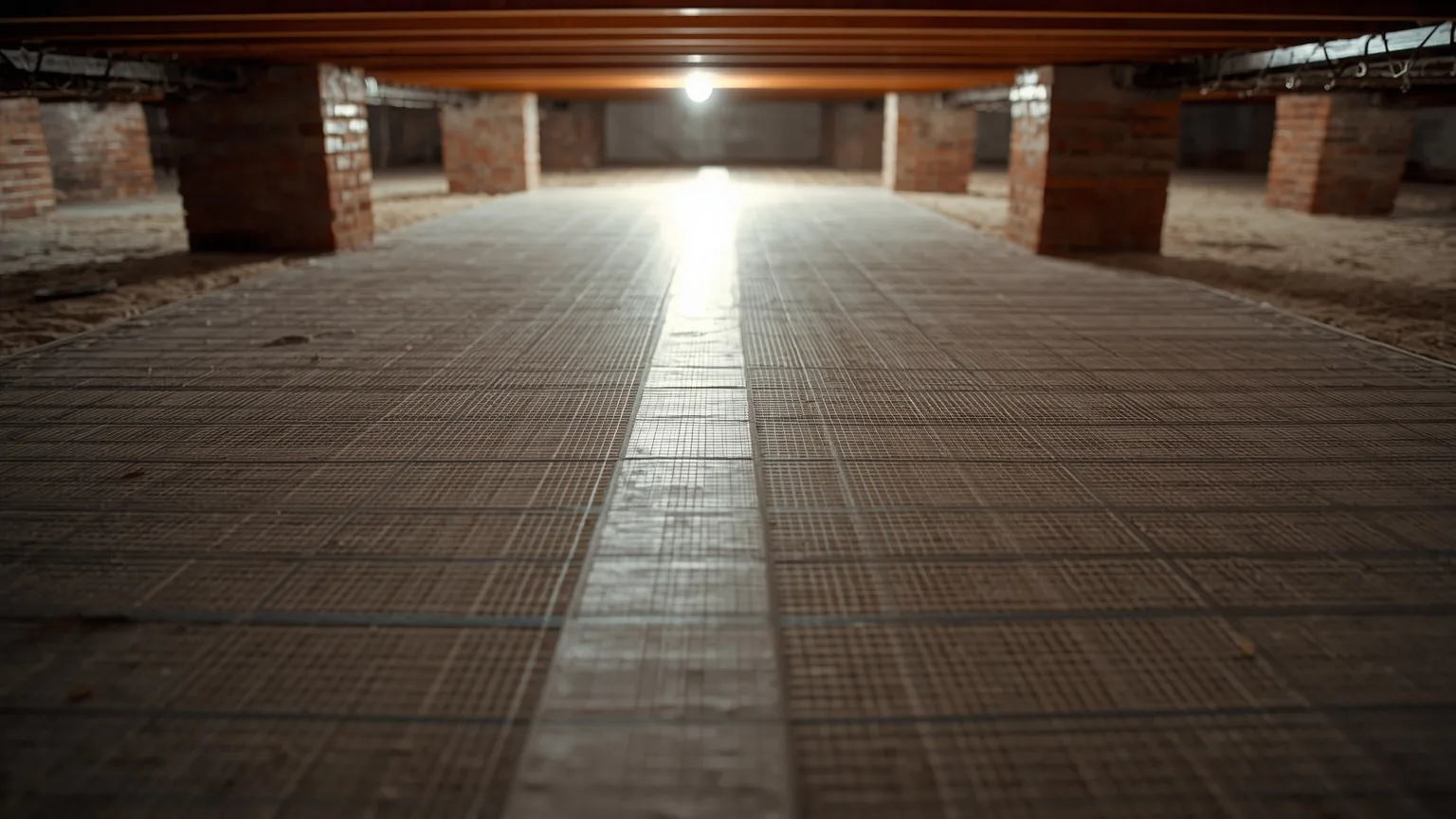
Vapor Barrier Installation
Ground cover that stops soil moisture — and the standard SC actually names.
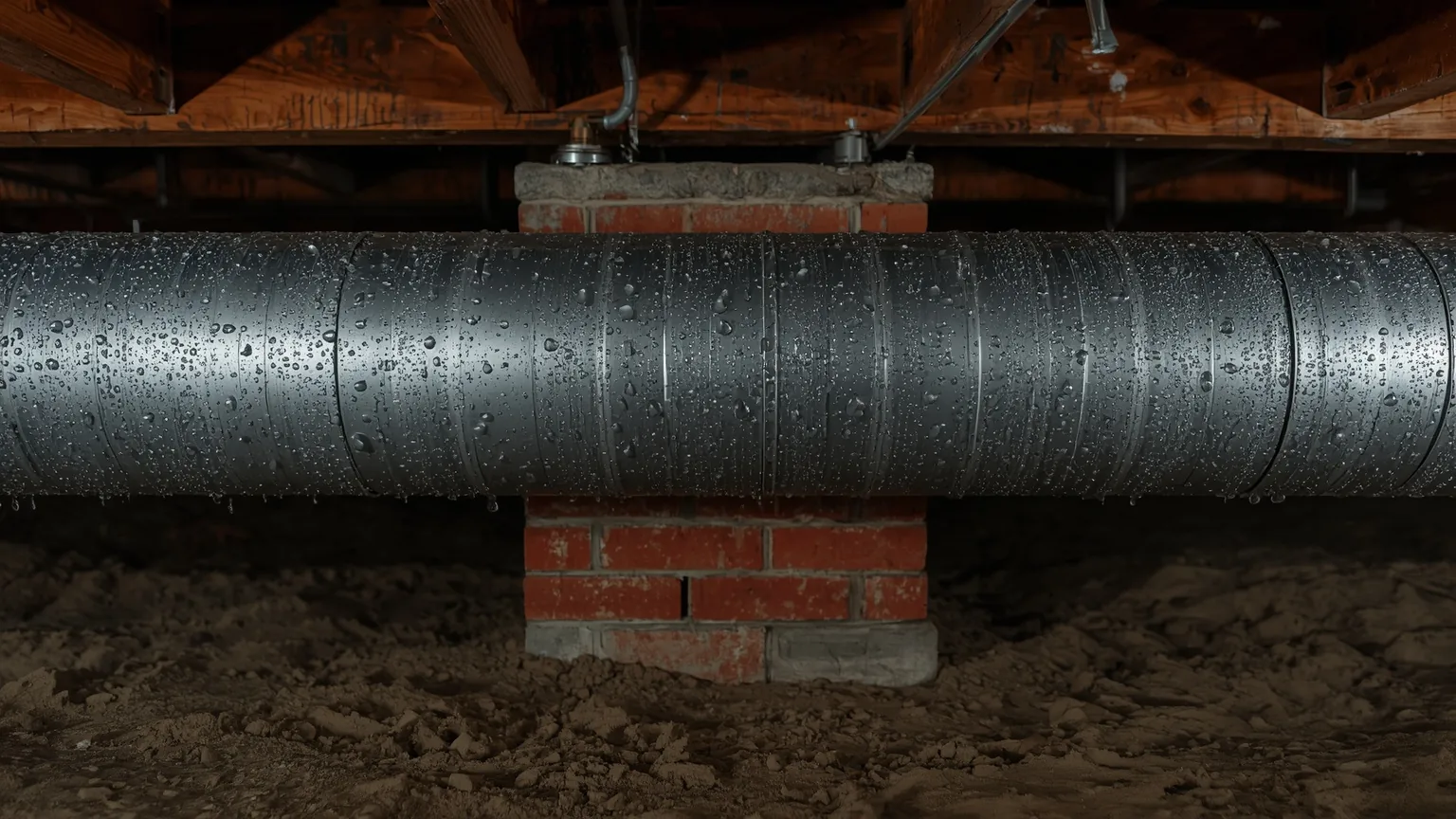
Crawl Space Moisture Control
Identifying the source before choosing the remedy.
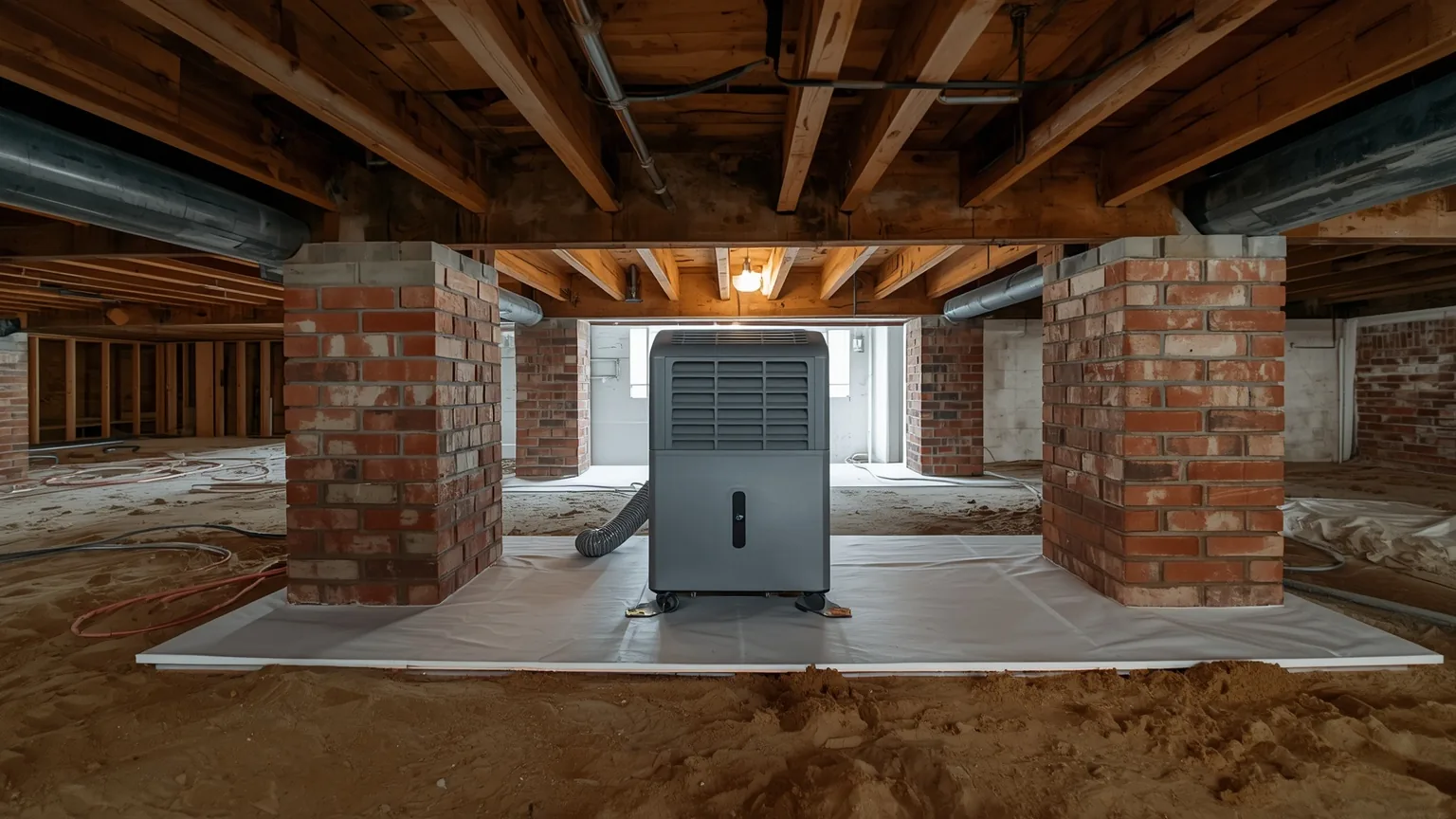
Crawl Space Dehumidifiers
When a unit is warranted, and how to pin down the sizing.
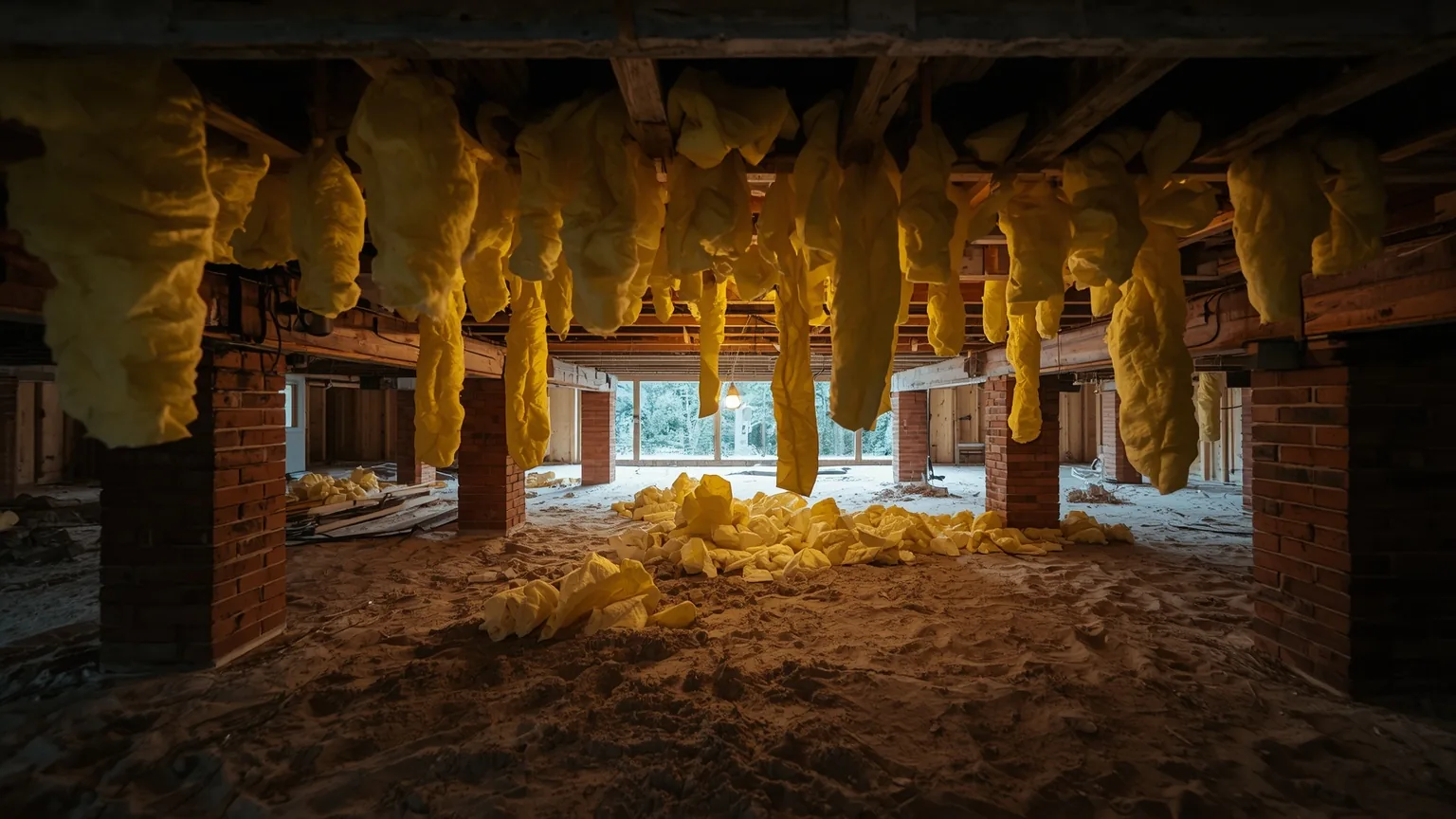
Crawl Space Insulation
Fallen batts, and whether insulation belongs on the floor at all.
Water & Drainage
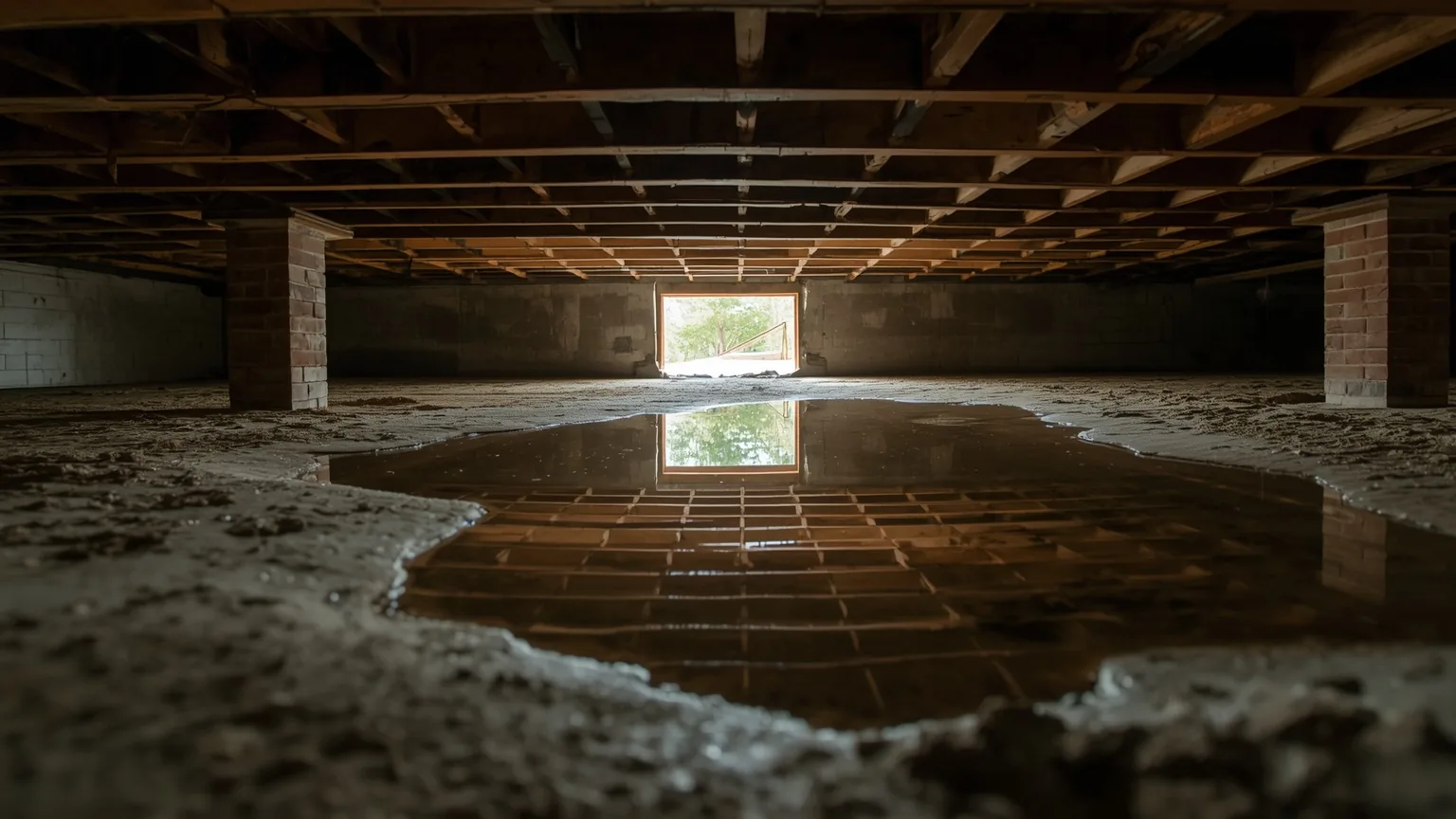
Crawl Space Waterproofing
Stopping liquid water from arriving — outside causes checked first.
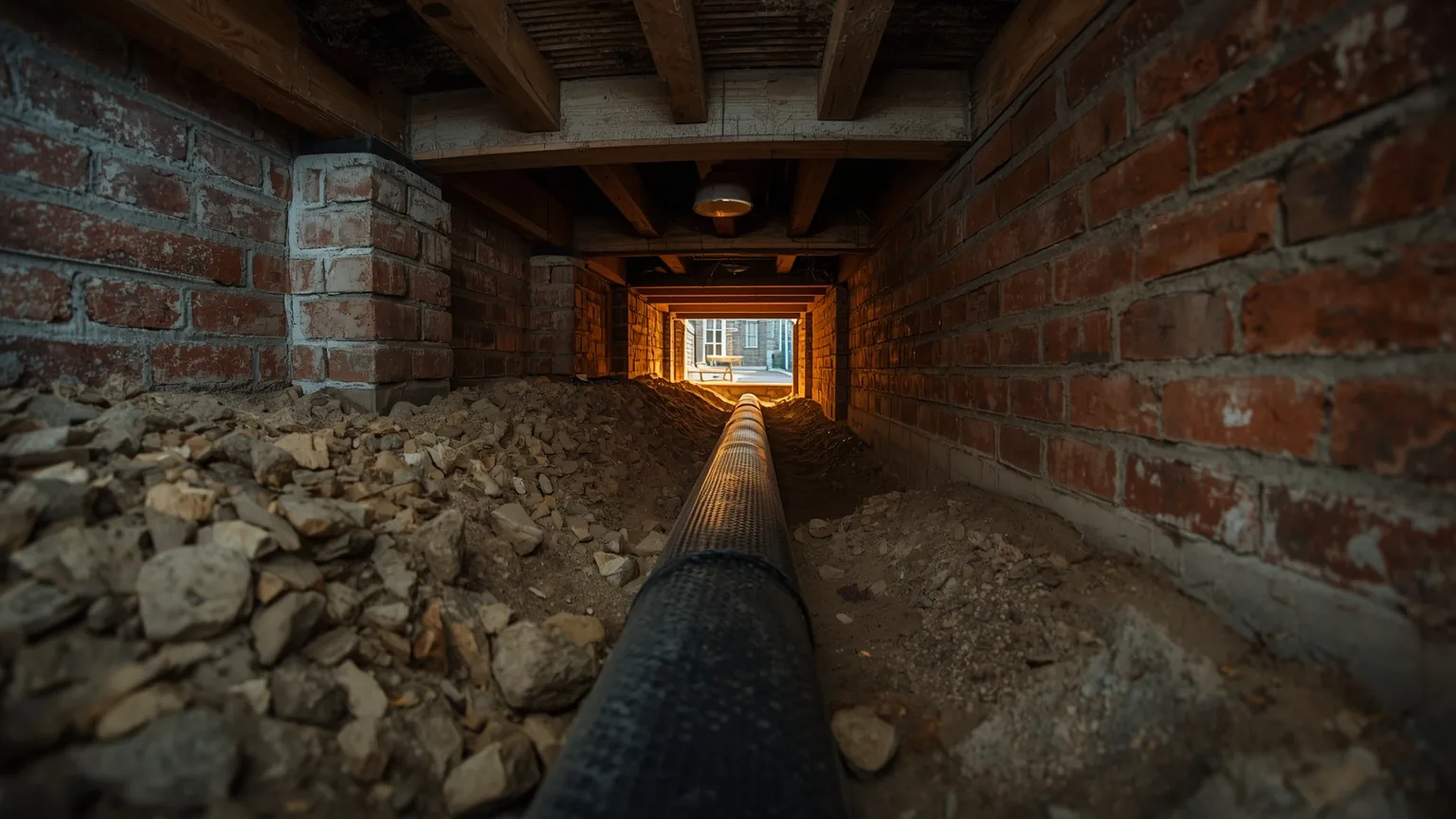
Crawl Space Drainage
A route out for water, once the cheap causes are eliminated.
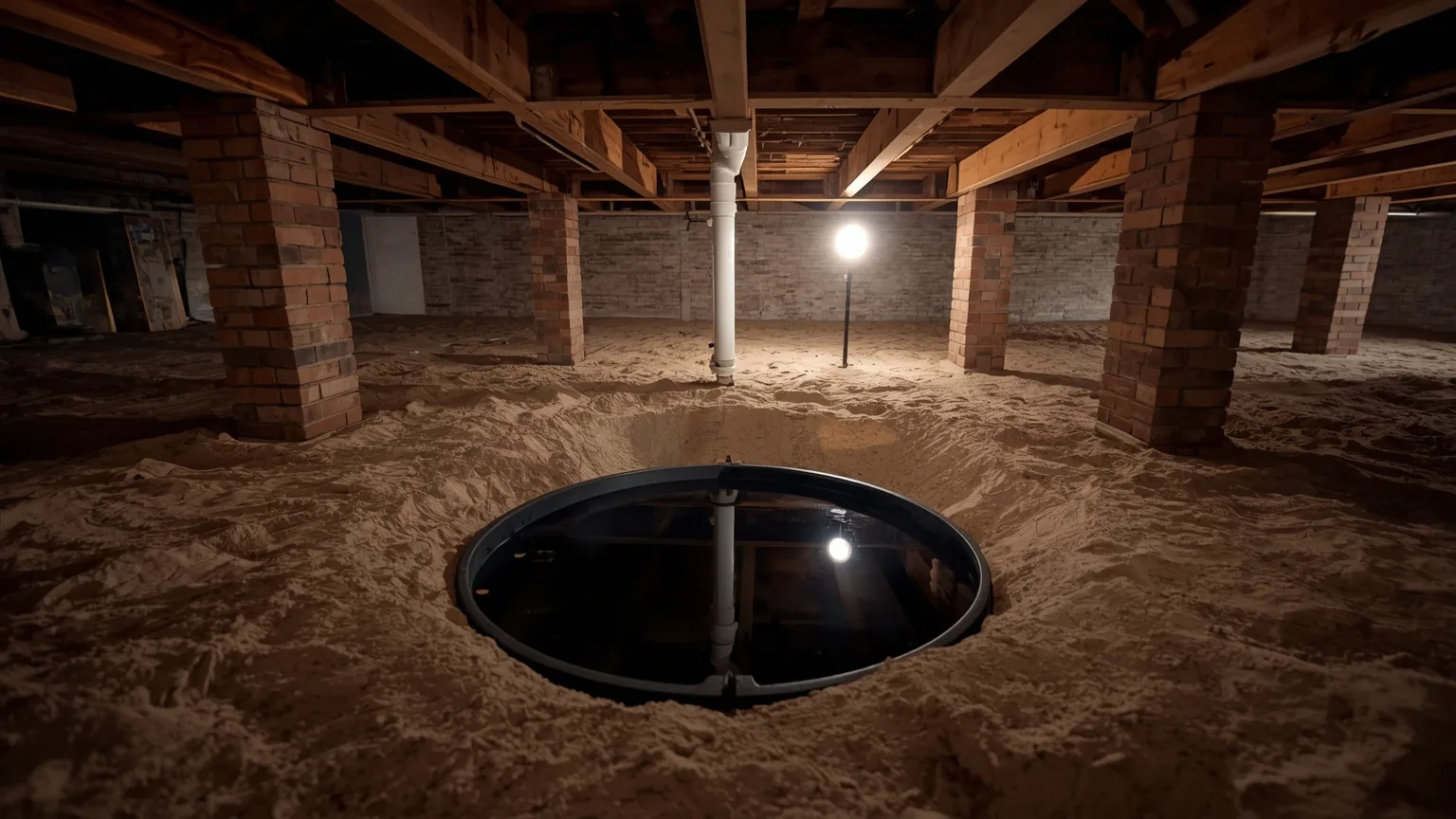
Crawl Space Sump Pumps
Basin, pump and discharge — the exit point of a drainage system.
Repair & Cost
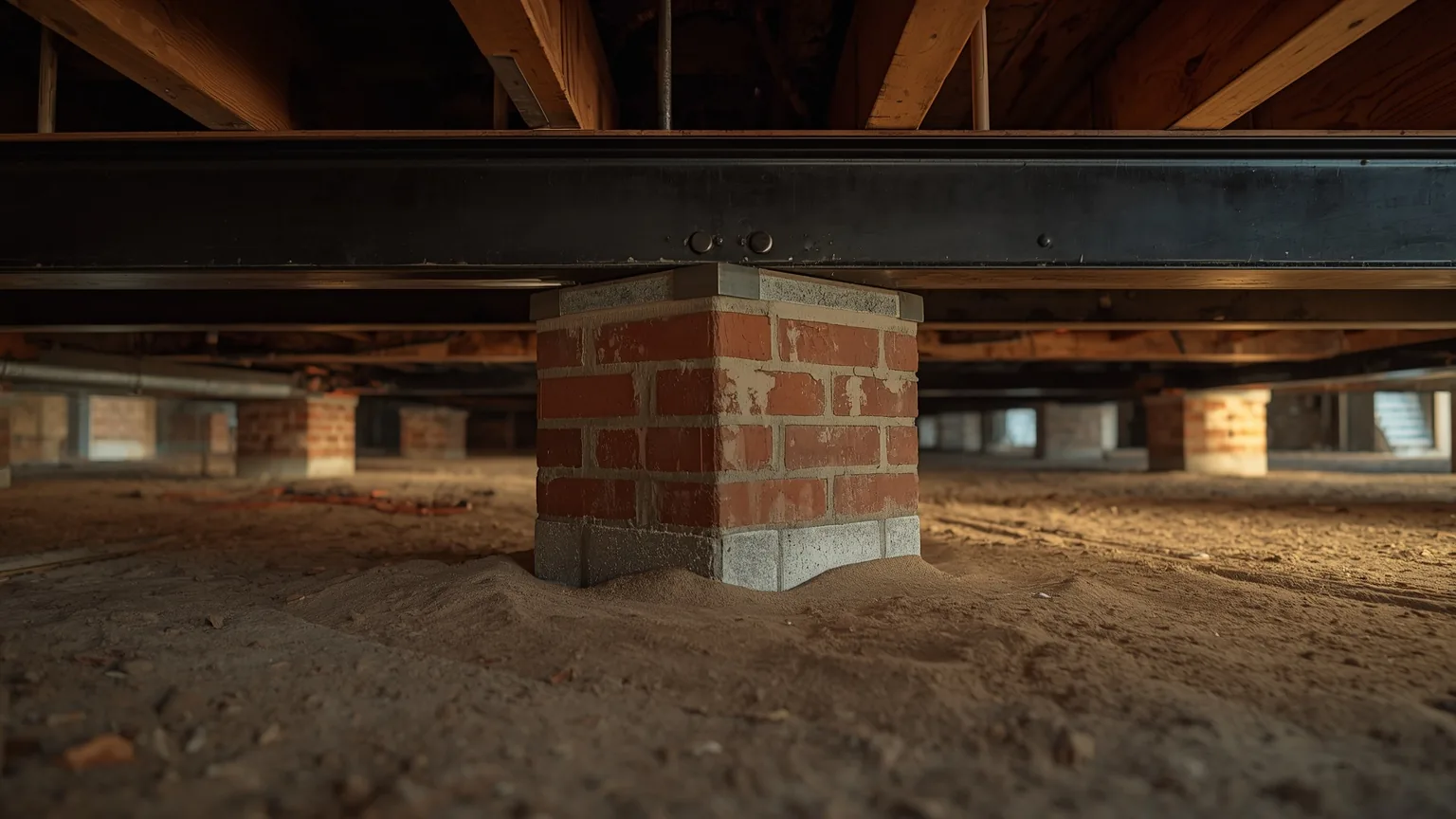
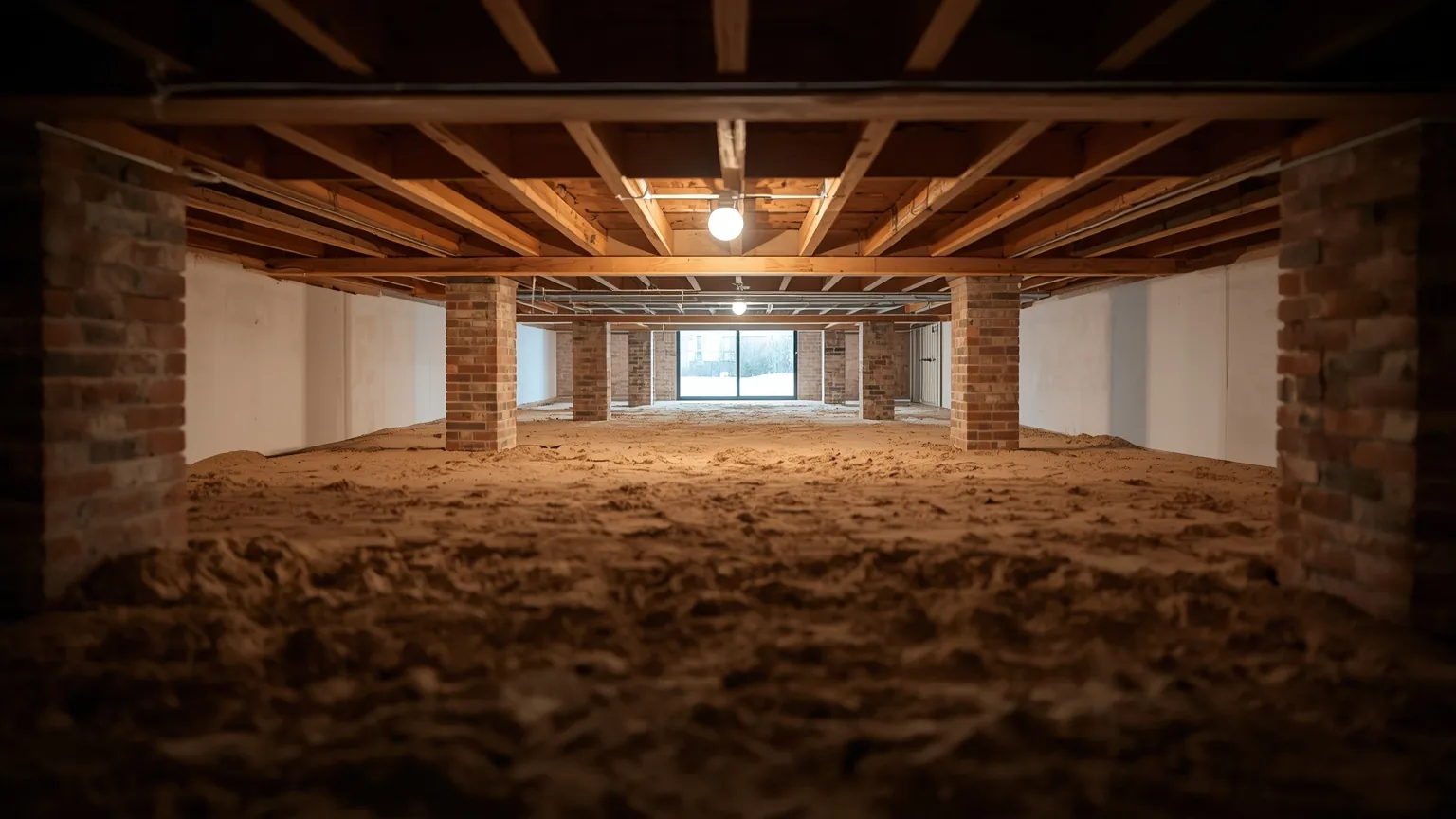
Encapsulation, and when it is the right answer
Encapsulation seals the crawl space away from the ground and the outside air, then manages the humidity of what is left. It earns its cost where humidity stays high, where framing reads wet, or where odor from below is reaching the rooms above.
It is the wrong first move where liquid water is entering — that is a waterproofing problem and it comes first. And a genuinely dry crawl space with framing in a normal moisture range may need nothing more than a vapor barrier over the ground. What separates those cases is measurement, not opinion.
South Carolina writes the sealed crawl space into residential code as Section R408.3, and its version is stricter than the model code about the liner — which means a proposal here can be checked against a published standard rather than against a contractor's marketing. Our page on what encapsulation costs works through each factor, and the contractor page covers what to verify before hiring.
Repair, and why moisture comes first
Most crawl space repair in this area is moisture damage that has been running long enough to reach the framing — joists that have softened, a girder deteriorating where it bears, a support that has settled.
Wood becomes vulnerable to fungal decay at around 20 percent moisture content. Framing is not harmed by one wet week — it is harmed by months spent above that threshold. The damage accumulates quietly across seasons, which is why it usually gets noticed upstairs as give underfoot or a door that stops latching rather than as a crawl space problem at all.
New material installed into a space that is still wet lives in whatever destroyed the original. Any scope worth accepting resolves the water as part of the same project, which is why crawl space repair here is scoped after the moisture source is identified rather than before.
Water, drainage and moisture control
If your crawl space takes on standing water, that is a waterproofing problem and it is handled before anything is sealed. A liner laid over an active water source does not stop the water; it puts a sheet of plastic over it and moves the problem out of sight.
The cheap causes get ruled out first — gutters discharging at the foundation, downspouts ending at the wall, grading that has settled back toward the house. Where water genuinely arrives through the ground, drainage and a sump system are what give it a route out.
On a flat, low-lying lot there is often no gravity outfall to send collected water to, which makes the pump and its power supply a more central part of the design here than it would be inland. That is a design question worth settling in the written scope rather than improvising on the day.
Signs your crawl space needs attention
A musty smell upstairs
Air travels upward through a house, so part of what circulates on the ground floor entered from below first. A smell that cleaning does not shift is worth tracing downward.
Floors with give or slope
Framing that has lost stiffness, or a support that has settled. Bounce across a wide area suggests joists; a localized dip suggests one pier.
Insulation hanging down
Batts take on moisture, grow heavy and let go of the subfloor. Once hanging, they have stopped insulating and are holding damp against wood.
Condensation on ducts or pipes
Warm air meeting surfaces below its dew point. Visible beading under the house in summer is the mechanism happening in front of you.
Standing water or damp ground
An active water source. Worth establishing whether it arrives with the rain or on its own schedule, because the answer changes the fix.
Growth on joists or subfloor
A moisture symptom rather than a cleaning problem. Removal without changing the conditions reproduces it on the same timeline.
How the inspection and estimate work
- You call or send the form. Tell us what you are seeing and roughly when it happens. Damp that peaks in August and water that appears a day after a storm point at different causes.
- Someone gets under the house. An on-site evaluation with moisture readings taken in the framing in more than one place, not just a reading of the air.
- The source is identified. Ground vapor, humid air through the vents, or liquid water entering. Each has a different fix, and the wrong one is expensive.
- You get an itemized scope. In writing, before a price exists — including which liner standard and which conditioning method, so two estimates can actually be compared.
Why Charleston crawl spaces behave the way they do
A great many Lowcountry houses are built up off the ground rather than on a slab, which is why crawl spaces are so common here in the first place. That single building habit is why crawl space problems are so widespread across this area rather than confined to older houses.
The mechanism is not complicated. Warm air holds far more moisture than cool air. Summer air comes through the foundation vents, meets ductwork, water lines and the underside of the subfloor sitting below its dew point, and the moisture leaves the air and lands on those surfaces as liquid water. Air moves upward through a house. A real share of what circulates on the ground floor entered from the crawl space first, which is why what happens under the floor is noticeable in the rooms above it.
Wood becomes vulnerable to fungal decay at around 20 percent moisture content. Framing is not harmed by one wet week — it is harmed by months spent above that threshold. The damage accumulates quietly across seasons, which is why it usually gets noticed upstairs as give underfoot or a door that stops latching rather than as a crawl space problem at all.
Elevation, ground and distance from the marsh vary sharply over short distances here, so a neighbor's experience is a poor guide to your own. Permits and inspections inside the city run through the City of Charleston's Building Inspections Division, while North Charleston, Mount Pleasant and the unincorporated parts of Charleston, Berkeley and Dorchester counties each permit separately.
Serving Charleston and the Lowcountry
Charleston · Mount Pleasant · North Charleston · West Ashley · James Island · Johns Island · Summerville · Daniel Island · Goose Creek · Hanahan · Isle of Palms · Ladson
Crawl space work across Charleston, Berkeley and Dorchester counties, within roughly 30 miles of Charleston. More on the service area page.
Charleston crawl space questions
How much does crawl space encapsulation cost in Charleston?
It depends on what is actually under the house. Square footage sets the material quantity, but headroom, access, whether water has to be resolved first, which liner class is specified and which conditioning method is used usually matter more — and those are only visible on site. A figure quoted before anyone has been underneath is guesswork with a price attached.
What vapor barrier does South Carolina require in a crawl space?
Section R408.3 of the South Carolina Residential Code requires the exposed earth in an unvented crawl space to be covered with a continuous vapor retarder meeting ASTM E1745 Class A, with joints lapped 6 inches and sealed, carried at least 6 inches up the stem wall. The model code asks only for a Class I vapor retarder, so this is a stricter, strength-based requirement — and ordinary 6-mil polyethylene is not what it names.
Why is my crawl space worse in late summer than after a storm?
Because the moisture is arriving as air rather than as rain. Warm air carries far more moisture than cool air, and when summer air comes through the vents and meets ductwork, pipes and the underside of the subfloor sitting below its dew point, that moisture condenses onto them as liquid water. Opening more vents in August tends to make it worse rather than better.
Does encapsulation affect a termite inspection?
It can affect access, which matters more here than in most of the country. Wall liner and perimeter insulation can cover the foundation surfaces an inspector reads. Tell whoever holds the termite agreement on the house before work is booked, and keep the inspection path in the written scope. Termite treatment itself is licensed pest control work, not crawl space contracting.
Does a crawl space contractor need a license in South Carolina?
In practice yes for essentially any paid work. Under S.C. Code Section 40-59-20 a residential specialty contractor is regulated once the undertaking exceeds five hundred dollars, and a residential builder once the cost exceeds five thousand. Those thresholds are low enough that unlicensed crawl space work is not a gray area here.
Do you do the work yourselves?
No. Charleston Crawl Space Solutions is an advertising and lead-routing service. We connect Charleston-area homeowners with independent crawl space contractors who hold their own licensing and insurance, perform the evaluation, quote the work and stand behind it.
Find out what is actually causing it.
Someone under the house taking moisture readings, and the scope in writing before a price exists.