
Crawl Space Waterproofing in Charleston, SC
Waterproofing is about liquid water: where it comes from and how to stop it arriving. Encapsulation is about vapor. Treating them as the same job is how Lowcountry homeowners pay twice.
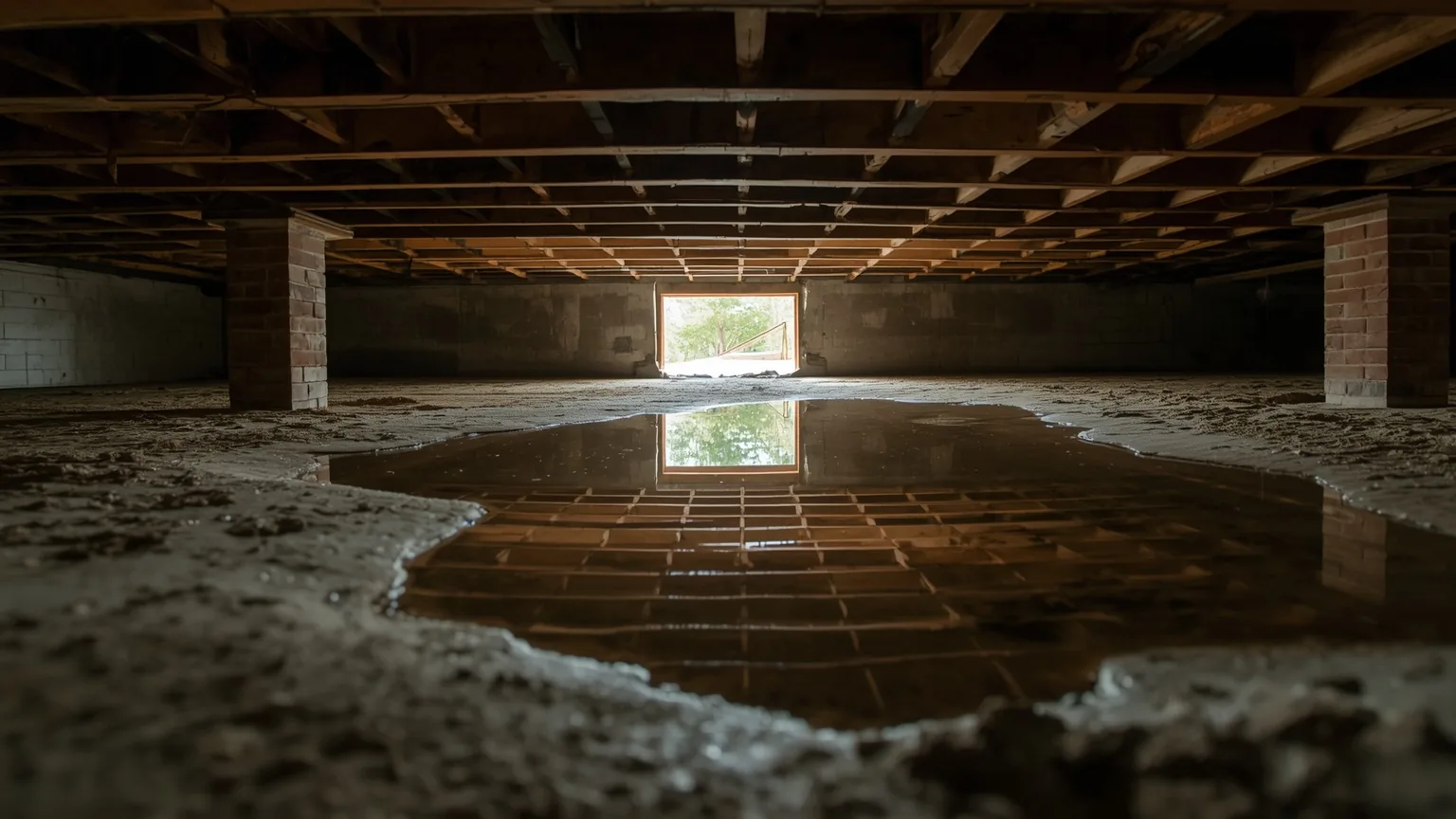
Who handles crawl space waterproofing in Charleston, SC?
Charleston Crawl Space Solutions arranges crawl space waterproofing across Charleston and the surrounding counties. Waterproofing addresses liquid water — rain, runoff, groundwater and, on low-lying lots, tidal influence — through grading, gutters and downspouts, perimeter drainage and sump systems. It is a different problem from humidity, and the cheap external causes get ruled out before anything is excavated. Call (843) 890-8281 to arrange an evaluation.
Waterproofing and encapsulation are not the same job
This is the most useful distinction on the site and the one most often blurred in a sales conversation.
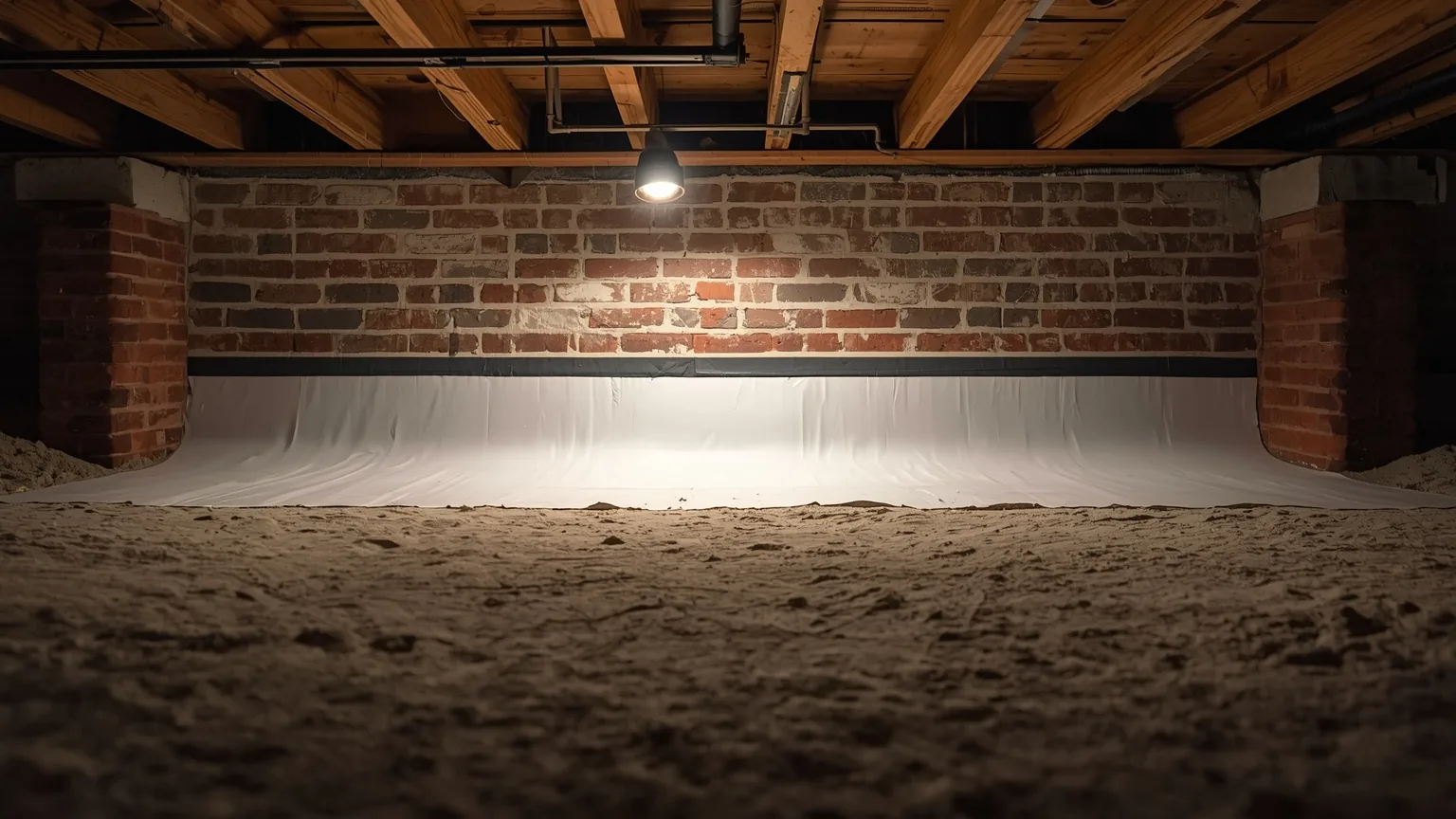
Encapsulation seals the space against ground vapor and humid outside air. It does nothing whatsoever about liquid water. Waterproofing keeps liquid water from reaching or remaining in the space. A crawl space can genuinely need one, the other, both, or neither.
They do overlap. A full solution to a wet Lowcountry crawl space often ends with a sealed liner, because once water is controlled the remaining problem is vapor. But the sealing is the last step in that sequence, and a quote that leads with encapsulation for a space that takes on water after every storm has the order backwards.
Where the water is actually coming from
Most wet crawl spaces here are wet for reasons visible from the yard rather than from underneath.
- Gutters and downspouts. A downspout discharging at the foundation puts a roof's worth of water into the ground beside the crawl space wall. Most common cause, cheapest to correct.
- Grading that has settled. Ground that has slumped back toward the house turns the perimeter into a collection channel.
- Flat lots with nowhere to shed. Much of this area has very little fall. Water that would run away elsewhere sits, and a crawl space is the lowest thing around.
- A seasonally high water table. Where groundwater rises into the range of the crawl space floor, external work alone will not solve it and interior drainage is warranted.
- Plumbing. A failed supply line or waste pipe produces a wet crawl space with no relationship to the weather at all, which is worth eliminating early.
What the timing tells you
The pattern is genuinely diagnostic and costs nothing to observe. Water that appears within an hour or two of heavy rain and drains away soon after is usually surface runoff — the gutter, downspout and grading category, which is comparatively cheap to fix.
Water that shows up a day or more after rain, or with no recent storm, points at groundwater. Water that tracks the calendar rather than the forecast — arriving in a wet season and staying — points at the water table. Those are where interior drainage and a sump system start to be justified.
Write down what you see and when, before anyone visits. Most homeowners already have this information and do not realize it is the most valuable diagnostic input available.
The order the work goes in
External causes first, because they are cheap and resolve a large share of cases. Interior drainage next, if water genuinely arrives through the ground. Then any framing the water damaged. Then sealing and humidity control.
Running that sequence backwards — sealing first — is the most expensive error in this trade, and it is common enough to be worth naming twice.
The harbor gauge has been counting
NOAA operates a tide gauge in Charleston Harbor, and it counts the days each year when water rises past the high-tide flooding threshold. Through the 1960s that average was 0.3 days a year. Across 2015 to 2024 the average was 9.6 days a year, and 2023 alone recorded 19.
Most of those days do not put water into anybody's crawl space directly. What they indicate is a water table that sits higher against low-lying ground than it used to, and that is the mechanism that reaches a crawl space — not water coming over the ground, but water already in it having nowhere lower to go.
The practical consequence is that timing matters when diagnosing a Charleston crawl space. A space inspected on a dry week in a dry month can look fine and still take on water twice a year. If you have seen water in yours, photograph it and note the date, because that record is worth more to a proper evaluation than anything visible on the day.
Crawl Space Waterproofing questions
What is the difference between waterproofing and encapsulation?
Waterproofing keeps liquid water out of the crawl space. Encapsulation seals the space against ground vapor and humid air and controls the humidity that remains. A space with standing water needs waterproofing; a space that is merely damp and humid needs encapsulation. Many need both, in that order.
Will fixing my gutters solve a wet crawl space?
Sometimes, and it is cheap enough to be worth doing first regardless. Downspouts discharging at the foundation are the most common single cause. If the water is groundwater rather than runoff, gutters will not be enough, and the timing of when water appears is the clue.
Does the tide affect my crawl space?
On low-lying lots close to the marsh or a creek it can, by holding groundwater higher rather than by water arriving over the ground. If your crawl space is damp on a clear day with no recent rain, that is worth raising specifically during an evaluation.
Can standing water be left if the crawl space is sealed?
No. A liner over standing water hides it rather than resolving it, keeps it against the ground and foundation, and removes the evaporation that was at least partly clearing it. Water is dealt with before anything is sealed.
Is a wet crawl space an emergency?
Rarely an emergency, but it does not improve on its own. The damage is cumulative over months, so the useful response is a proper diagnosis reasonably soon rather than same-day panic. Water near live electrical equipment is the exception and should not be investigated personally.
Related crawl space services
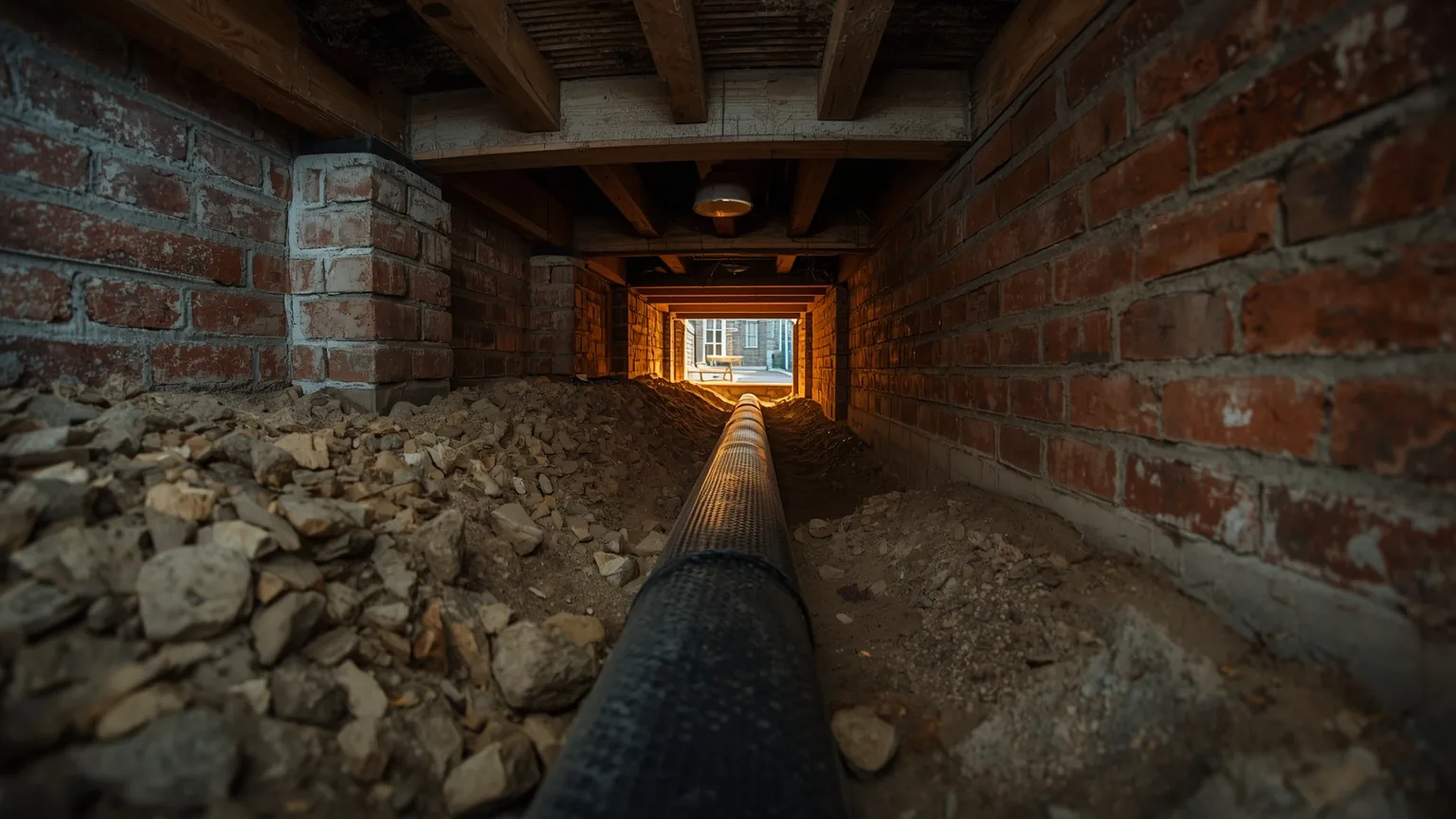
Crawl Space Drainage
A route out for water, once the cheap causes are eliminated.
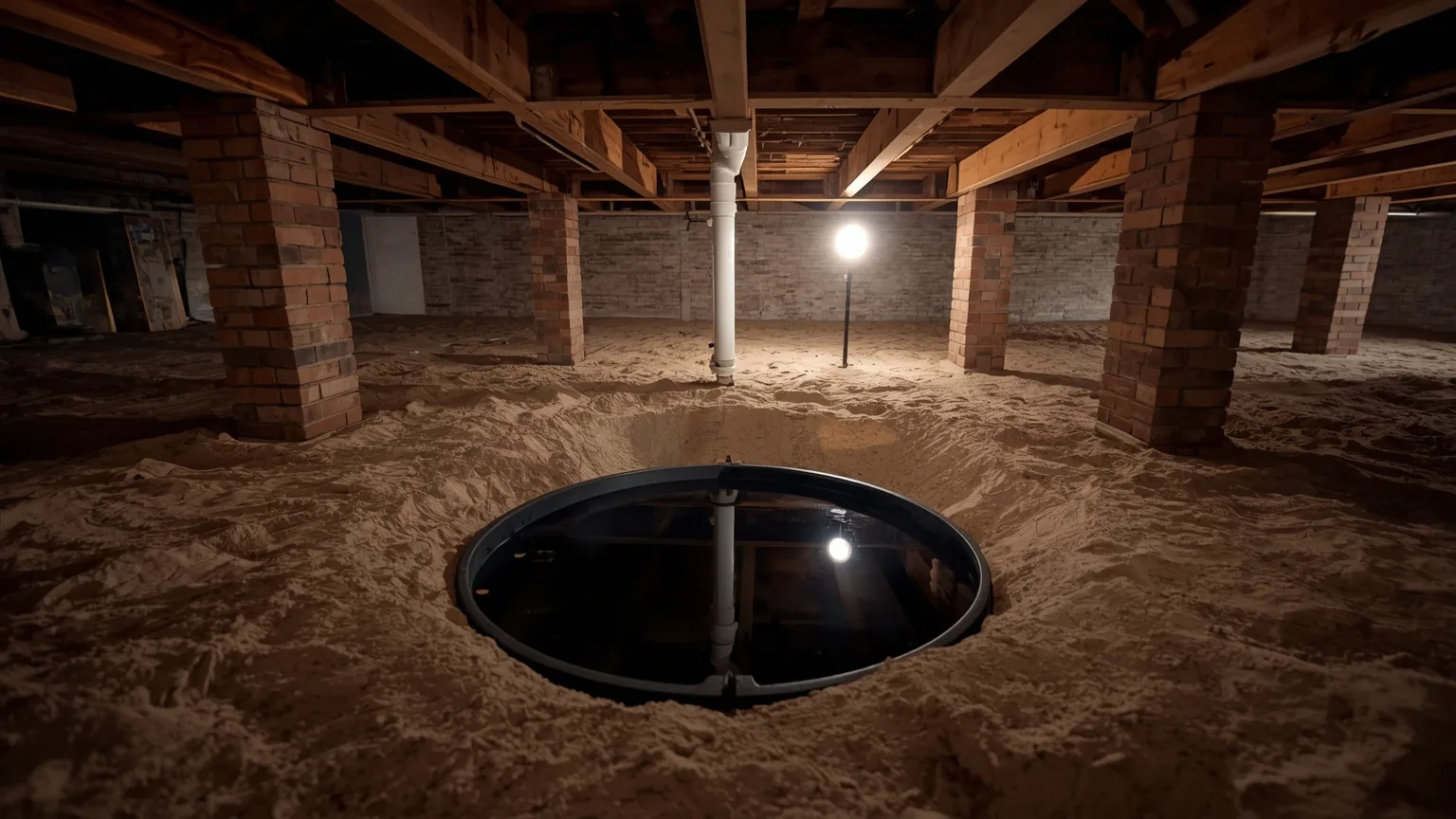
Crawl Space Sump Pumps
Basin, pump and discharge — the exit point of a drainage system.
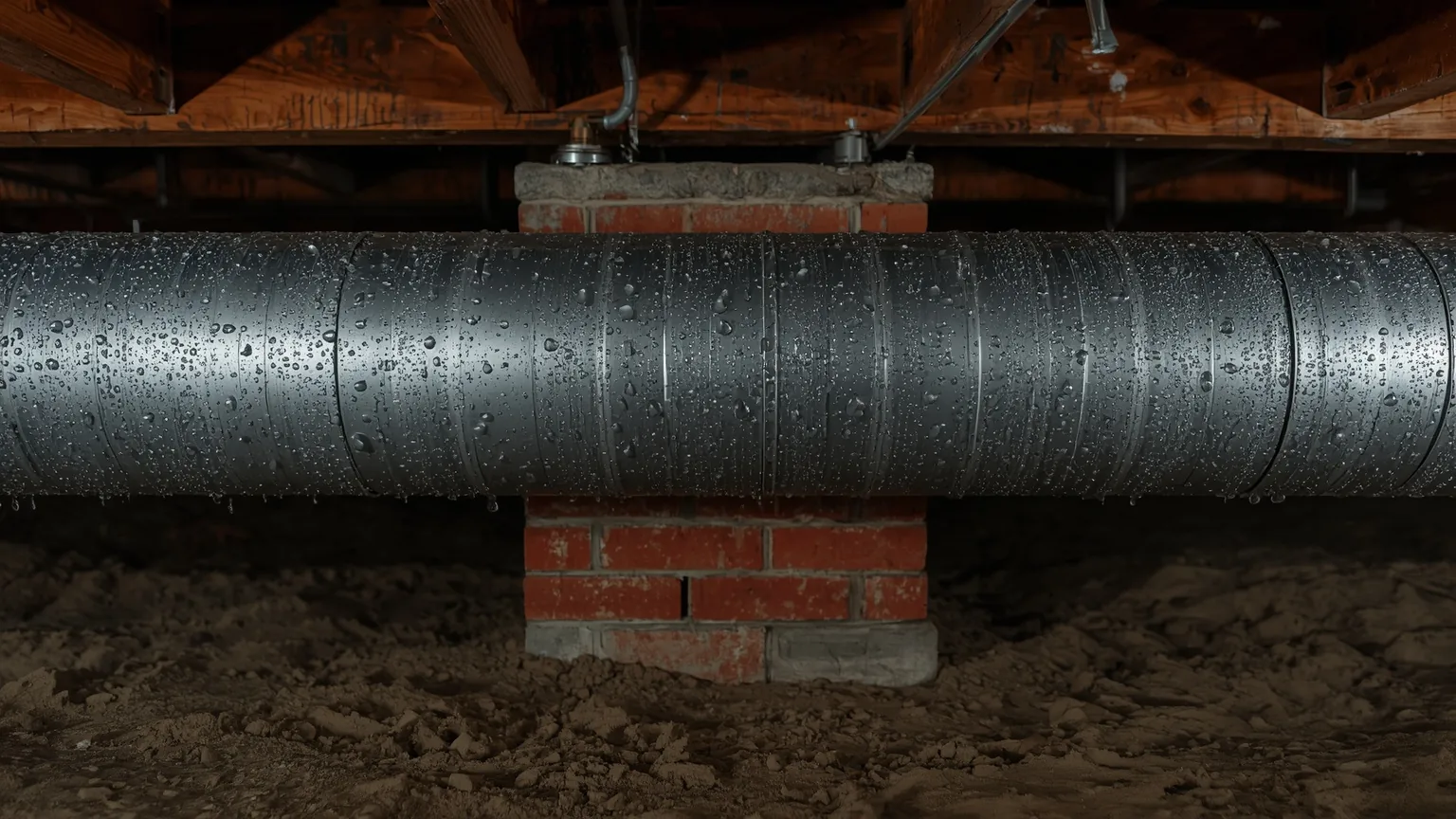
Crawl Space Moisture Control
Identifying the source before choosing the remedy.
Crawl Space Encapsulation
The full sealed system — liner, closed vents and managed humidity.
Find out what is actually causing it.
An inspection underneath, readings taken on site, and a written scope ahead of any figure.